What Are the Benefits of Custom Home Furnishing in 2026?

Time:2026-09-13 Author:Sophia
0%

What Are The Benefits Of Custom Home Furnishing becomes an important question in 2026, as homeowners seek comfort, flexibility, and responsible design. Custom furnishings can fit difficult corners, unusual room sizes, and changing family needs. A built-in desk may turn an unused hallway into a practical workspace. A tailored sofa can leave clear walking space beside a narrow window. Small details matter.

William Morris, the influential British designer, offered a useful standard: “Have nothing in your houses that you do not know to be useful, or believe to be beautiful.” His words still guide thoughtful furnishing decisions. Custom design applies this principle through measured layouts, durable materials, and finishes selected for daily life. It can also reduce visual clutter because every piece has a defined purpose. That does not guarantee perfection. Measurements can be misunderstood, materials can age differently, and a beautiful sample may look different in natural light. Reflection is necessary.

Experienced designers often begin with questions about routines, storage, maintenance, and accessibility. They consider how children move through a room, where sunlight falls, and which surfaces receive frequent use. This process supports stronger decisions than copying a showroom display. It may also improve long-term value when quality construction replaces repeated purchases. Still, custom furnishing usually requires patience, clear communication, and a realistic budget. The best result is not simply expensive. It feels intentional, useful, and personal. In 2026, that balance may define the real benefits of custom home furnishing.
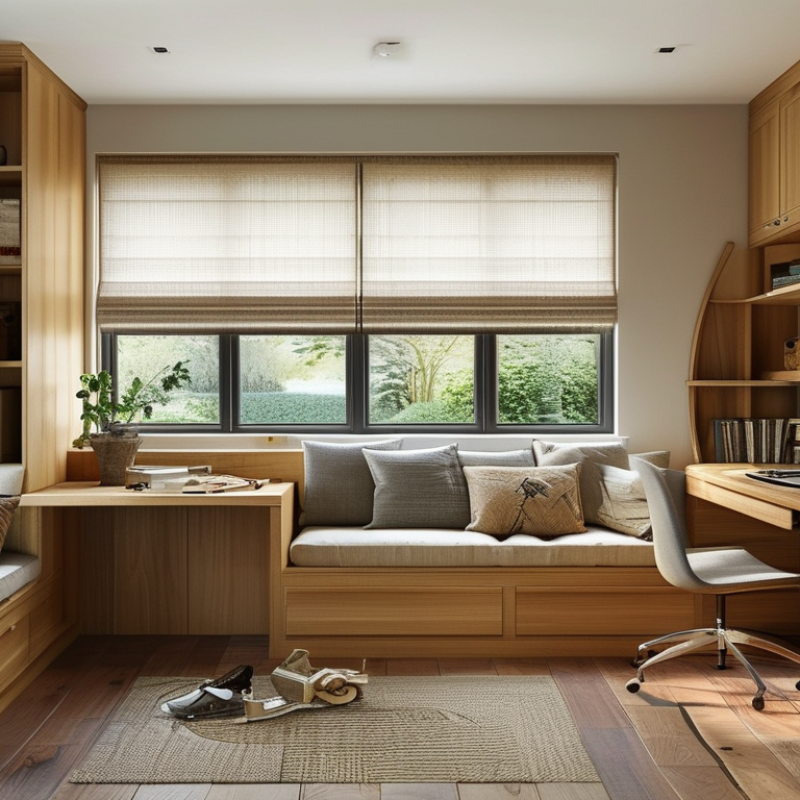
What Are the Benefits of Custom Home Furnishing in 2026?

What Is Custom Home Furnishing in 2026?

Custom home furnishing in 2026 means designing interiors around real people, not standard room sizes. It combines tailored furniture, measured storage, lighting, textiles, acoustics, and connected controls. A designer may scan a room, test a sofa depth, and match a cabinet to a wheelchair turning radius. The result is a coordinated living system. Not merely expensive furniture.

This approach responds to changing household needs. Homeowners increasingly want flexible rooms for work, rest, guests, and aging in place. The 2024 Houzz & Home Study surveyed more than 33,000 homeowners, showing the scale of ongoing renovation demand. Its findings support a practical point: professional planning matters when projects involve several trades and detailed decisions. Custom furnishing can reduce awkward gaps, improve circulation, and use difficult corners efficiently. Small gains become visible every day.

Wellness is also shaping the definition. The 2024 Global Wellness Economy Monitor valued the global wellness real estate sector at 438 billion dollars in 2023. Custom interiors can support this trend through softer lighting, low-emission materials, ergonomic seating, and quieter surfaces. Yet custom is not automatically better. A bespoke table can still be poorly proportioned, and a beautiful fabric may be difficult to maintain. That uncomfortable truth matters. Reliable practitioners should document material performance, cleaning needs, lead times, and repair options before production. In 2026, the strongest value may come from adaptability, not decoration alone.

How Custom Home Furnishing Meets Individual Lifestyle Needs

What Are the Benefits of Custom Home Furnishing in 2026?

Custom home furnishing fits the way people actually live. A narrow apartment may need a dining table that folds beside the kitchen wall. A family room may require hidden storage for toys, chargers, books, and sports equipment. Experienced designers measure walking paths, door swings, window light, and daily habits before recommending furniture. This approach prevents attractive pieces from blocking movement or wasting valuable space.

Personal routines also shape materials and construction. A household with pets may choose durable, easy-clean upholstery and rounded table edges. Someone working from home may need adjustable lighting, cable management, and acoustic panels near a desk. Older residents can benefit from clear pathways, reachable shelves, and seating with supportive heights. These decisions make comfort practical rather than decorative.

The process is not always perfect. A custom cabinet can look precise on paper but feel too deep after installation. I would leave sample materials in the room for several days, watching them under morning and evening light. Measurements should be checked twice. Budgets also need honest discussion, including delivery, hardware, maintenance, and possible revisions. A slightly imperfect room can still feel deeply personal when every object supports a real habit. Flexibility matters. Needs may change with work, children, health, or available space.

What Are the Benefits of Custom Home Furnishing in 2026?

Custom home furnishing helps households adapt rooms to different lifestyles, including solo living, family life, aging, and accessibility needs.

Reference indicators: U.S. Census Bureau 2020 Census and CDC Disability and Health Data System. The figures represent relevant household or population groups rather than the results of a single furnishing survey.

What Are the Main Benefits of Custom Home Furnishing?

Custom home furnishing offers a practical answer to rooms that standard furniture cannot solve. A built-in cabinet can follow a sloping ceiling. A dining table can leave comfortable walking space around every chair. These details improve daily movement, storage, and visual balance. The 2024 Houzz & Home Study reported a median renovation spend of $25,000 in the United States. That investment makes careful planning increasingly important, especially when poorly fitted furniture creates expensive replacements.

Personalization also supports healthier, more durable interiors. Designers can select low-emission finishes, repairable joinery, and materials suited to pets or children. The U.S. Environmental Protection Agency reported that furniture and furnishings generated 12.1 million tons of municipal solid waste in 2018. About 80.2% reached landfills. Choosing adaptable pieces may reduce premature disposal, although custom work is not automatically sustainable. Waste still occurs when measurements, finishes, or expectations are wrong.

The experience can feel more meaningful. A handcrafted bench may use a familiar wood tone, while a tailored wardrobe can preserve a small bedroom’s open floor area. The National Kitchen and Bath Association’s 2024 Design Trends report highlights growing interest in personalized, multifunctional spaces. Custom furnishing can support that shift with concealed storage and flexible layouts. Yet bespoke design demands patience. Lead times vary. Prices can change. Honest drawings, material samples, and written specifications remain essential. Without them, “personalized” can become merely expensive.

How Does the Custom Furnishing Process Work?

Custom home furnishing begins with a conversation, not a catalogue. The designer asks how each room is used, who uses it, and what feels uncomfortable. A family may need hidden storage near the entrance, softer lighting by a reading chair, or a lower kitchen shelf. These details turn personal routines into practical design requirements. A site visit follows. Professionals measure wall lengths, ceiling height, window positions, electrical points, and door swings. Small errors matter. A difference of two centimeters can affect a cabinet, sofa, or curtain.

After measuring, the designer develops a layout, material palette, and preliminary cost plan. Clients should receive clear drawings and realistic timelines before production begins. Wood samples, fabric swatches, and hardware can be reviewed under the home's actual light. Digital images help, but they can hide texture and color changes. A full-scale mock-up is useful for unusual shelves or built-in seating. It may feel slow. It prevents expensive surprises. Experienced makers then confirm joints, finishes, ventilation gaps, and load requirements. Safety and durability should guide appearance, not follow it.

Production starts after the design is checked and approved. Regular updates should show progress through photographs, measurements, and questions. A reliable team explains delays honestly. The first plan is rarely perfect. During installation, walls may prove less straight than expected, or a chosen fabric may look too cool. Reasonable revisions are part of the process, not a failure. The final inspection checks alignment, drawer movement, surface quality, lighting, and cleaning. Clients should test every feature themselves. That step is easy to skip.

What Are the Benefits of Custom Home Furnishing in 2026? - How Does the Custom Furnishing Process Work?

The following table summarizes common benefits, process stages, deliverables, and indicative planning ranges for custom home furnishing projects. Timelines and costs vary according to room size, materials, design complexity, manufacturing capacity, and installation requirements.

Category Project Dimension Typical Information or Range How It Benefits the Homeowner Key Decision or Deliverable
Benefit Space efficiency Furniture is measured against the room, wall openings, ceiling height, circulation paths, and service locations. Helps use awkward corners, sloped ceilings, alcoves, and compact rooms more effectively than standard-size products. Verified site measurements and a dimensioned furniture layout.
Benefit Personalized storage Internal shelves, drawers, hanging sections, cable openings, and compartments can be configured for specific possessions. Reduces unused internal space and makes frequently used items easier to organize. A storage schedule showing item types, quantities, and access preferences.
Benefit Material and finish selection Options may include solid wood, wood-based panels, metal, glass, stone, laminate, paint, veneer, and performance fabrics. Allows the appearance, cleaning needs, durability, tactile feel, and maintenance requirements to match the room. Approved samples or a finish board documenting colors, textures, hardware, and surface specifications.
Benefit Ergonomics and accessibility Seat height, worktop height, handle position, reach distance, door swing, and clear floor space can be adjusted to the user. Improves comfort and can support different body sizes, mobility requirements, and daily routines. Ergonomic dimensions and clearance requirements confirmed before production.
Process 1. Brief and consultation Usually completed during the initial planning phase; the scope may cover one room, several rooms, or a whole home. Clarifies lifestyle needs, room priorities, style preferences, functional problems, and budget expectations. Written project brief, room list, priority ranking, and preliminary budget framework.
Process 2. Site survey and measurements Measurements should include walls, floors, windows, doors, columns, outlets, plumbing points, lighting, and access routes. Reduces the risk of dimensional conflicts, blocked services, and delivery problems. Measured drawings, photographs, access notes, and identified site constraints.
Process 3. Concept and space planning Common outputs include furniture layouts, mood boards, preliminary elevations, and material directions. Makes circulation, visual balance, storage capacity, and furniture proportions easier to evaluate before fabrication. Approved concept, layout, design direction, and initial specification.
Process 4. Detailed design and quotation Detailed drawings typically define overall dimensions, construction details, hardware, materials, finishes, quantities, and exclusions. Creates a clearer basis for comparing scope, cost, quality, and responsibilities. Final quotation, technical drawings, finish schedule, and approval record.
Process 5. Approval and material confirmation Changes are normally finalized before manufacturing begins, especially for dimensions, color, hardware, and electrical requirements. Limits late-stage changes, rework, material waste, and unexpected cost adjustments. Signed-off drawings, samples, contract scope, and production authorization.
Process 6. Fabrication and quality control Indicative production planning commonly ranges from several weeks to a few months, depending on complexity and material availability. Allows construction details to be checked against the approved design before delivery. Production drawings, progress checks, finish inspection, and pre-delivery quality checklist.
Process 7. Delivery and installation Planning must account for packaging, building access, stairways, elevators, parking restrictions, assembly, and protection of finished surfaces. Improves the likelihood that large or delicate items arrive safely and fit the intended location. Installation plan, delivery inspection, adjustment record, and completion sign-off.
2026 Planning Sustainability and long-term value Specify durable construction, repairable components, replaceable hardware, responsible material documentation, and low-maintenance finishes where appropriate. Can extend service life, reduce replacement frequency, and support more informed material decisions. Care instructions, warranty terms, maintenance schedule, and records of approved materials.

Note: All time ranges and recommendations are indicative planning information rather than universal industry standards. Final requirements should be confirmed through a site survey, technical drawings, material approvals, and a written project scope.

What Should Homeowners Consider Before Choosing Custom Furnishings?

In 2026, custom furnishings can make awkward rooms feel intentional, but personalization needs careful planning. Before ordering, measure every wall, doorway, lift, and turning space. A scaled floor plan often reveals problems that floor tape misses. Record sunlight, socket positions, heating vents, and daily walking routes. Small details matter. Ask whether the piece supports real habits, not imagined ones.

Set a complete budget covering design fees, samples, delivery, installation, maintenance, and possible alterations. Request a written quotation with material grades, dimensions, deadlines, and payment stages. A low initial price may hide expensive hardware or fragile finishes. Check the maker’s experience through documented projects, references, and clear aftercare terms. Confirm how wood, fabric, foam, and coatings perform in your climate. Ask for relevant safety and indoor air quality documentation. Do not trust a tiny sample alone. View larger samples under morning and evening light.

Think about replacement parts and future moving. A beautiful built-in may limit resale flexibility. Discuss access panels, removable covers, and repairable joints before production. Lead times can stretch when materials change or approvals arrive late. Leave room for that risk. I would also test a chair for twenty minutes, not two. Comfort is difficult to judge from photographs. Even careful choices can miss the mark; a mock-up or adjustable prototype may expose that weakness early.

FAQS

What does custom home furnishing mean in 2026?

It designs rooms around real people, not standard measurements. Furniture, storage, lighting, textiles, and controls work together. A designer may measure a wheelchair turning space or test sofa depth. The goal is daily comfort, not expensive decoration alone.

What are the main benefits of custom furnishing?

Custom pieces can reduce awkward gaps and improve movement. A cabinet may follow a sloping ceiling. A dining table can leave clear space around every chair. Small improvements become noticeable every day.

Can custom furnishing support changing household needs?

Yes. Rooms can serve work, rest, guests, and aging needs. A wall bed or movable table can change the room quickly. Flexible planning matters. Fixed solutions may become inconvenient later.

How does the custom furnishing process begin?

It begins with a conversation about routines and discomforts. The designer asks who uses each room and how. A site visit records walls, windows, doors, ceilings, and electrical points. Two centimeters can matter.

What should happen before production starts?

Clients should receive drawings, material samples, costs, and timelines. Review fabric and wood under the home's actual light. Digital images can hide texture changes. A full-size mock-up may prevent costly surprises.

Is custom furnishing automatically sustainable?

No. Custom work can still create waste through wrong measurements or poor choices. Repairable joints and durable materials may extend product life. A beautiful item is not necessarily responsible. That deserves honest reflection.

How can custom interiors support wellness?

Softer lighting can reduce visual harshness. Ergonomic seating may ease long periods of sitting. Low-emission finishes and quieter surfaces can improve comfort. Maintenance still matters. Difficult fabrics may become frustrating.

What should clients check during installation?

Test drawers, doors, lighting, surfaces, and clearances yourself. Check whether cabinets align and chairs move comfortably. Walls may be less straight than expected. The first plan is rarely perfect. Small revisions can be sensible.

Conclusion

Custom home furnishing in 2026 goes beyond selecting attractive furniture; it is a personalized approach to creating a home that reflects an individual’s lifestyle, preferences, space, and daily routines. From tailored layouts and adaptable storage to carefully chosen materials, colors, lighting, and technology, every element can be designed to support comfort, functionality, and personal expression. The key question, “What Are The Benefits Of Custom Home Furnishing,” can be answered through its ability to improve space efficiency, enhance visual harmony, increase long-term satisfaction, and provide solutions that standard products may not offer.

The custom furnishing process usually begins with discussing household needs, measuring the space, developing design concepts, selecting materials, reviewing costs, and completing production and installation. Before choosing this approach, homeowners should consider their budget, timeline, maintenance requirements, room dimensions, future lifestyle changes, and the quality of craftsmanship. Careful planning and clear communication can help ensure that the final result is practical, durable, comfortable, and genuinely suited to the people who live there.

Sophia

Sophia

Sophia is a dedicated marketing professional with an exceptional depth of knowledge about her company's products and services. With a keen understanding of market trends and customer needs, she crafts insightful blog posts that not only inform but also engage readers, enriching the company’s online......