What Are the Best China Home Furnishing Tips for Beginners?

Time:2026-09-08 Author:Madeline
0%

For beginners furnishing a home in China, good decisions start with observation, not impulse. Measure every room, including doorways, window recesses, and elevator limits. A sofa that looks modest in a showroom may overwhelm a compact Shanghai apartment. Humidity, seasonal temperature changes, daylight direction, and storage needs also affect material choices. These details are easy to miss.

What Are The Best Home Furnishing Tips For Beginners? The answer usually involves function, proportion, safety, and a realistic budget. IKEA’s Life at Home Report repeatedly shows that comfort, privacy, and personal control strongly influence how people experience their homes. Statista Market Insights also identifies China as one of the world’s largest furniture markets, giving consumers broad choice but creating more comparison pressure. More options do not always mean better decisions.

Start with a room-by-room plan. Keep walking paths clear. Test fabric samples beside natural light. Choose moisture-resistant finishes for kitchens and bathrooms. Confirm product dimensions and installation requirements before purchasing. China’s national product standards and reputable certification information should guide choices for furniture, lighting, and electrical products. A certified item is not automatically perfect. Read the specifications.

Beginners often spend too much on decoration and too little on lighting or storage. That mistake is understandable. It is also expensive to correct. Build the room gradually, beginning with essential furniture, reliable lighting, and practical organization. Leave space for revision. Your first layout may not work exactly as planned, and that is normal. A thoughtful home grows through daily use, honest evaluation, and informed adjustments.
What Are the Best China Home Furnishing Tips for Beginners?

Define Your Home Furnishing Needs, Budget, and Available Space

Before buying furniture in China, define how each room must work. A living room may need seating, storage, and space for visiting relatives. A bedroom might require only a bed, wardrobe, and clear walking paths. Write these needs down. Do not trust a quick mental plan. I once underestimated a doorway and bought a cabinet that could not enter the room.

Measure every wall, window, door swing, socket, and radiator. Record the ceiling height too. Leave at least 60 centimeters for comfortable movement around major furniture. For small apartments, choose flexible pieces, such as nesting tables or storage beds. Check the elevator and stairwell measurements before ordering large items. Measurements feel boring. They prevent expensive mistakes.

Set a complete budget before shopping. Include delivery, assembly, curtains, lighting, hardware, and possible repairs. Keep a reserve of 10 to 15 percent for surprises. Divide your budget by priority, not by room alone. Spend more on items used daily, such as a mattress or sturdy dining table. Save on temporary decorations. Quality descriptions can also mislead beginners, so inspect materials, joints, finishes, and return conditions carefully. My own plan once looked perfect, but I ignored lighting costs and had to reduce storage later. A written list would have exposed that weakness earlier.

Explore China’s Main Home Furnishing Styles and Regional Influences

China’s home furnishing styles change with climate, history, and daily habits. In northern homes, warmer colors, enclosed layouts, and thicker textiles often suit colder winters. Jiangnan interiors may favor pale wood, soft light, and water-inspired simplicity. These rooms can feel calm without looking empty.

Lingnan homes often benefit from breathable fabrics, shaded windows, and moisture-resistant materials. In Sichuan areas, flexible storage and easy-clean surfaces can support busy family kitchens. Traditional influences also appear through screens, lattice patterns, ceramic details, and natural wood. Use them carefully. One decorative panel can speak more clearly than a crowded room.

Tips: Observe the local climate before choosing furniture. Measure doorways, windows, and ventilation paths. Mix regional character with modern comfort. A northern-style room may feel too heavy in a humid city, while a minimalist layout may seem cold in a traditional courtyard home. Test colors beside daylight, not only under showroom lamps. I once underestimated how strongly wall texture changed a room’s mood. That mistake taught me to sample materials at home first. Keep walking space open, especially around dining areas and entrances. Check craftsmanship, material safety information, and maintenance needs before purchasing. Beautiful furniture still fails when it cannot handle dust, moisture, or ordinary family use.

Choose Practical Furniture, Materials, Colors, and Decorative Pieces

For beginners furnishing a home in China, practical furniture should guide every purchase. Measure doorways, elevators, and room corners before ordering large pieces. A compact sofa with removable covers is easier to clean and move. Choose tables with rounded edges if children use the room. Storage beds and wall cabinets can save valuable apartment space. My first layout looked beautiful on paper, but blocked a window. Measure twice.

Tip: Select materials according to the room’s humidity. Solid wood feels warm, but it needs stable indoor conditions. Engineered wood can be practical when its surface is sealed well. In kitchens and bathrooms, choose moisture-resistant boards, washable paint, and rust-resistant hardware. Ask suppliers about material composition, load ratings, and care instructions. Do not trust appearance alone; smell and surface quality can reveal poor finishing.

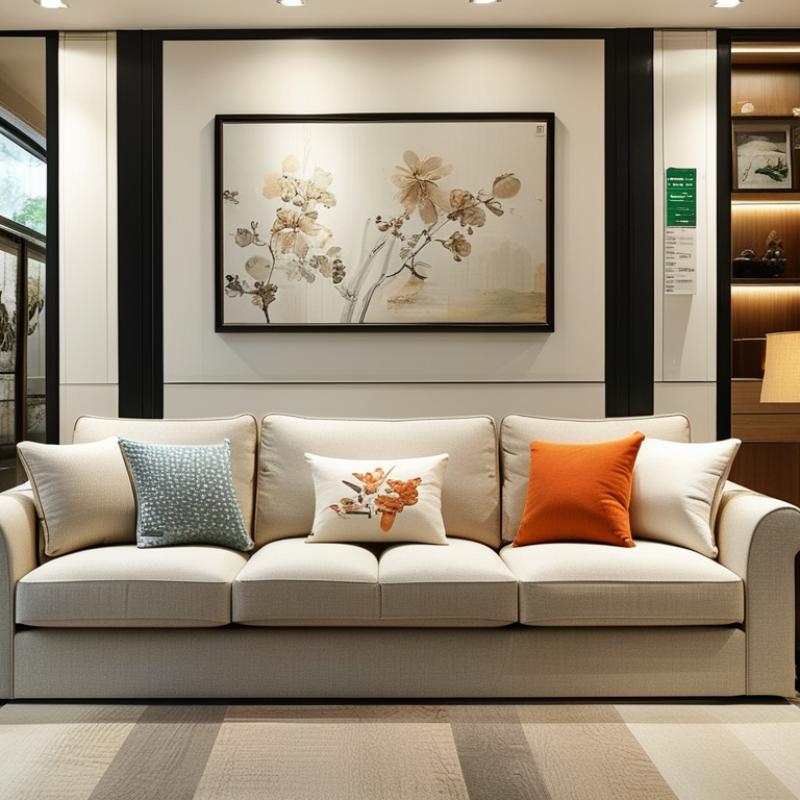
Tip: Keep the main colors calm, then add small decorative pieces. Warm white, sand, pale gray, or muted green can make rooms feel larger. Add texture through cotton curtains, woven baskets, ceramic vases, or a simple floor lamp. Use three related colors, rather than collecting every attractive shade. Decorative objects should leave walking space clear. I once added too many ornaments and created visual clutter. A few imperfect handmade pieces may feel more personal than a perfectly matched set.

Plan Room Layouts and Measure Spaces Before Buying

What Are the Best China Home Furnishing Tips for Beginners?

Plan Room Layouts and Measure Spaces Before Buying

A practical home starts with an accurate floor plan. Measure each wall, window, doorway, and radiator before choosing furniture. Record the ceiling height too, especially for tall cabinets or pendant lights. A simple sketch on paper can prevent expensive mistakes.

Leave clear walking paths between major pieces. In a living room, allow enough space to open doors and move around a coffee table comfortably. Mark the furniture footprint on the floor with masking tape. This gives you a physical sense of scale before delivery. It works surprisingly well.

Chinese apartments often have compact rooms and unusual corners. Check elevator sizes, stair turns, and entrance widths before ordering large items. Measure twice. I once ignored a narrow hallway and had to rethink an entire seating plan. That error was avoidable.

Consider sunlight, ventilation, and daily habits. Avoid blocking windows or air-conditioning outlets with tall storage. Place frequently used furniture near natural movement routes, not simply against every wall. A balanced layout may look less full at first, but it usually feels calmer and more useful.

Leave some flexibility. Your first plan may be wrong. Test one arrangement for several days before buying matching pieces. Notice where bags collect, where people pause, and which surfaces become crowded. These small observations often reveal more than a perfect-looking drawing.

What Are the Best China Home Furnishing Tips for Beginners? - Plan Room Layouts and Measure Spaces Before Buying

Room or Area What to Measure Recommended Planning Standard Beginner-Friendly Action Example Before Buying
All Rooms Room length, width, ceiling height, doors, windows, radiators, outlets, and fixed cabinets Measure in at least two places because walls and floors may not be perfectly square Record measurements in centimeters and sketch the room before shopping A room measuring 360 cm × 300 cm has a floor area of 10.8 m²
Entryway Clear width of the entrance, door swing, hallway width, and elevator or stair dimensions Keep the main walking path about 90 cm wide where possible Check the packaged furniture size, not only its assembled size For a 100 cm-wide entrance, avoid a packaged cabinet wider than the usable opening
Living Room Wall length, sofa footprint, television wall, coffee table position, and passage routes Leave approximately 40–45 cm between the sofa and coffee table; maintain about 75–90 cm for main circulation Use masking tape on the floor to mark the furniture footprint before ordering A 200 cm sofa plus a 45 cm table gap needs at least 245 cm before the walkway is added
Dining Area Table length and width, chair depth, wall distance, and space needed to pull chairs out Allow roughly 90 cm behind occupied chairs for comfortable movement Measure the table with chairs pulled back, not only the tabletop A 140 cm × 80 cm table may need about 320 cm × 260 cm when chair clearance is included
Bedroom Bed size, wardrobe depth, door swing, window position, and walking space on each side Aim for approximately 60 cm of clearance beside and at the foot of the bed where space allows Place the bed first, then fit storage around the remaining circulation space A 150 cm-wide bed with 60 cm on both sides requires about 270 cm of room width
Kitchen Counter depth, appliance openings, plumbing points, outlet locations, and cabinet door swings Standard kitchen worktops are commonly about 60 cm deep; keep a practical working aisle between opposing counters Confirm appliance ventilation, water, drainage, and electrical requirements before ordering cabinets Two opposing 60 cm counters already use 120 cm, before adding the central working aisle
Bathroom Toilet position, shower or tub footprint, door swing, drain location, and ventilation points Keep fixtures and doors from blocking one another; follow local building and accessibility requirements Use a scaled floor plan and verify waterproofing and plumbing constraints before purchase A vanity that fits the wall may still interfere with the door swing or basin plumbing
Storage and Wardrobes Available wall width, ceiling height, cabinet depth, skirting boards, and door opening Allow enough front clearance for doors or drawers to open fully and for a person to stand safely Choose sliding doors when hinged doors would reduce the main walkway A 60 cm-deep wardrobe needs additional front space for opening and dressing access
Windows and Curtains Window recess width, glass height, sill depth, handle position, and curtain mounting area Measure width at the top, middle, and bottom; use the smallest measurement for a close fit Check whether curtains, blinds, or furniture will obstruct window opening If three width readings are 121 cm, 120.5 cm, and 120 cm, use 120 cm as the critical width
Delivery Access Building entrance, corridor turns, stair width, lift dimensions, and final room doorway The narrowest access point determines whether the item can be delivered Compare the largest package dimension with every access point and account for turning space A 95 cm-wide package may not pass a 90 cm landing even if the room doorway is wider
Basic Calculation
Usable furniture area = room dimensions − fixed features − required circulation space.
Measurement Checklist
Use a tape measure, record units consistently, photograph obstacles, and recheck critical dimensions.
Buying Rule
Do not buy based on room area alone; confirm assembled size, package size, door clearance, and delivery access.

Compare Sellers, Check Quality, and Arrange Delivery and Installation

What Are the Best China Home Furnishing Tips for Beginners?

Choosing home furnishings from China can offer many styles and price options. However, beginners should compare sellers carefully, not only compare prices. Check how clearly each seller explains materials, dimensions, lead times, and after-sales support. Read recent customer feedback and look for detailed photos. A seller who answers technical questions patiently usually deserves more trust. Still, online reviews are not perfect evidence.

Tips: Request a material sample before ordering expensive furniture. Inspect the surface, edge finishing, hinges, drawer movement, and joinery. Ask whether the item uses solid wood, engineered board, metal, glass, or mixed materials. Check for unstable legs, strong chemical smells, uneven paint, and unclear measurements. I would also confirm weight limits and care instructions. Small details matter.

Delivery and installation require equal attention. Measure doorways, lifts, stair turns, and the final room before payment. Send the measurements to the seller, then ask for written confirmation. Confirm packaging, delivery dates, installation fees, and responsibility for transit damage. Photograph the cartons before opening them. If damage appears, record it immediately and keep all packaging. Arrange floor protection during installation. Ask installers to level cabinets and test every door and drawer. A common mistake is trusting a promised date without allowing delays. I would leave extra time, because shipping plans can change.

FAQS

: What should I define before buying home furnishings?

: Identify each room’s purpose, daily activities, storage needs, and required walking space. Write everything down. Mental plans can miss important details.

Which measurements matter before ordering furniture?

Measure walls, windows, door swings, sockets, radiators, and ceiling height. Leave at least 60 centimeters around major furniture. Check elevator and stairwell dimensions too.

How can I avoid doorway and delivery problems?

Compare furniture dimensions with every entrance, hallway, elevator, and stairwell. A cabinet may fit the room but fail at the doorway. I learned this expensively.

What should a furniture budget include?

Include delivery, assembly, curtains, lighting, hardware, repairs, and possible adjustments. Reserve 10 to 15 percent for unexpected costs. Small extras accumulate quickly.

How should I prioritize spending?

Spend more on frequently used pieces, such as mattresses and sturdy dining tables. Save money on temporary decorations. Daily comfort deserves more attention.

Which furniture works well in small apartments?

Choose nesting tables, storage beds, and other flexible pieces. Keep entrances and dining areas open. Too much furniture makes movement frustrating.

How do regional climates affect furnishing choices?

Cold northern homes may suit warmer colors and thicker textiles. Humid southern areas may need breathable fabrics and moisture-resistant materials. Climate matters more than appearance alone.

How can I combine traditional details with modern comfort?

Use screens, lattice patterns, ceramic details, or natural wood sparingly. One decorative panel may create enough character. Crowded rooms feel tiring.

How should I test colors and materials?

View samples beside natural daylight at home. Showroom lighting can distort colors and textures. I once underestimated wall texture. That mistake changed the room’s mood.

Conclusion

For beginners, the best home furnishing journey starts with clear planning. Before buying anything, define your household’s needs, preferred lifestyle, budget, and available space. Explore China’s diverse home furnishing styles, from modern simplicity to traditional influences, while considering how regional culture, climate, and craftsmanship may shape design choices. Focus on practical furniture, durable materials, comfortable colors, and decorative pieces that reflect your personality without overcrowding the home.

What Are The Best Home Furnishing Tips For Beginners? Begin by measuring every room, doorway, and passageway, then create a layout that supports movement, storage, lighting, and everyday activities. Compare different sellers carefully, review product details, inspect construction quality, and confirm dimensions before placing an order. It is also important to understand delivery schedules, installation services, return conditions, and possible extra costs. With thoughtful planning and balanced choices, beginners can create a comfortable, functional, and attractive home while avoiding unnecessary purchases and space-related problems.

Madeline

Madeline

Madeline is a dedicated marketing professional with a wealth of expertise in our company's core offerings. With a keen understanding of the industry, she brings a unique perspective to her role, consistently delivering high-quality content that highlights the superior aspects of our products. As......