Seasonal decorating is not about replacing every object in your home. It is about adjusting texture, color, light, and function as the weather changes. So, What Are The Best Home Decor Ideas For Seasonal Changes? The most reliable answer begins with flexible foundations. Keep neutral sofas, durable rugs, and simple storage. Then add removable layers, such as linen cushions in summer, wool throws in winter, and dried branches during autumn.
Industry data supports this practical approach. The 2024 U.S. Houzz & Home Study reports that homeowners continue investing heavily in kitchens, bathrooms, and outdoor areas. These spaces often connect with seasonal living, from shaded patios to warmer indoor lighting. The 2024 1stDibs Interior Design Trends Survey also identified strong interest in expressive color and natural materials. These findings suggest that small, intentional updates can create visible change without unnecessary renovation.
Interior designer Emily Henderson offers a useful principle: “The best rooms have something to say about the people who live in them.” Seasonal style should feel personal, not staged. Try a woven basket near the entryway, amber glass beside a reading chair, or fresh cotton curtains near an open window. Small details matter.
Still, not every trend deserves space in your home. I have found that seasonal purchases can become clutter quickly. Measure first. Reuse what you own. Let comfort guide the final choice. This guide will examine practical ideas for spring, summer, autumn, and winter, while considering budget, durability, maintenance, and changing household needs.
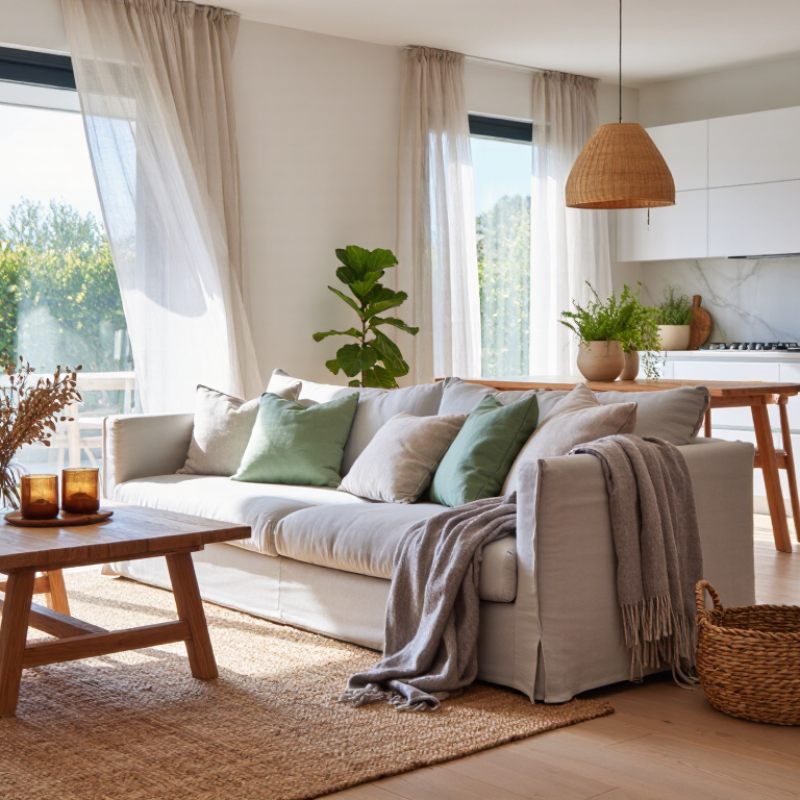
Before searching for seasonal decor, define what each season should help your home do. Spring might need more light, clearer surfaces, and a welcoming entryway. Summer may call for cooler textures, open windows, and fewer visual layers. Autumn can support warmth through amber lighting, woven baskets, and deeper colors. Winter often benefits from comfort, task lighting, and safe paths around furniture.
Write one practical goal for every room. “Make the living room calmer” is useful, but “remove two unused chairs and add one washable throw” is measurable. During a recent refresh, I focused on the dining area first. A linen runner, fresh branches, and softer bulbs changed the mood without replacing the table. I also overdecorated one shelf. It looked attractive in photographs but felt crowded in daily use. That mistake reminded me to test an arrangement for a week before buying more pieces.
Choose materials that match real household demands. Washable covers suit busy homes, while natural fibers can add texture but may need careful cleaning. Check daylight at different hours before choosing colors. A shade that feels gentle at noon may appear dull at night. Keep a simple seasonal budget and store only items that earn their space. The best ideas should support comfort, maintenance, and personal routines, not merely follow a temporary image.
The best seasonal decor begins with the room, not a trend. Measure each wall, doorway, and walking path before buying anything. A narrow living room needs fewer, lighter pieces. Open spaces can handle layered textures without feeling crowded. I usually sketch furniture positions first. It prevents blocked windows and awkward movement.
Light changes the room throughout the year. Watch one sunny morning and one cloudy afternoon. Pale fabrics can brighten northern rooms, while deeper tones add comfort to strongly lit spaces. Use mirrors carefully, because they may reflect glare instead of warmth. Test a small sample near the window. Color often looks different at night.
Climate should guide practical choices. In humid homes, breathable fabrics and washable covers are safer than heavy, delicate materials. Dry regions may need natural textures that do not shed easily. Seasonal needs matter too. Keep soft throws near seating in winter, and leave clear surfaces for fans during hot months. I once filled a small room with autumn accessories and disliked the result. The space felt busy, not welcoming. Less would have worked better. Reconsidering the arrangement taught me to remove one object before adding another. Local daylight, indoor temperature, and household routines deserve more attention than fixed decorating rules.
| Season | Typical Indoor Conditions | Space Assessment | Light Assessment | Climate and Comfort Needs | Recommended Colors and Materials | Practical Decor Ideas | Seasonal Maintenance |
|---|---|---|---|---|---|---|---|
| Spring |
|
|
|
|
|
|
|
| Summer |
|
|
|
|
|
|
|
| Autumn |
|
|
|
|
|
|
|
| Winter |
|
|
|
|
|
|
|
Planning note: These recommendations are general guidelines for homes in temperate climates. Adjust materials, lighting, ventilation, and seasonal priorities according to local weather, room orientation, household needs, and building conditions.
When I refresh a room for spring, I begin with colors that reflect outdoor light. Soft sage, warm cream, and muted yellow feel fresh without becoming childish. Linen curtains and cotton throws add breathable texture. I once chose pale fabric for a sunny window, ignoring fading risks. It looked beautiful for one month. Now, I test samples beside the glass before buying anything. Small tests prevent expensive mistakes.
Summer interiors benefit from cooler materials and open visual space. Washed cotton, woven jute, and light-colored wood help a room feel less heavy. Choose tightly woven rugs in busy areas because they handle repeated foot traffic better. In humid homes, allow furniture to breathe away from damp walls. My preference for natural materials sometimes creates extra maintenance. That is worth admitting. Beauty still needs practical care.
Autumn invites deeper colors, including clay, olive, rust, and warm brown. Velvet cushions or nubby wool can make a chair feel more comfortable instantly. For winter, layered textures work better than adding many decorations. Combine thick curtains, knitted blankets, and matte ceramic surfaces for quiet warmth. Check textile care instructions before mixing delicate fabrics with frequent-use furniture. A color may look rich online but appear dull under cool lighting. View samples during daytime and evening hours. Seasons change quickly. Your room should change with them.
A reliable seasonal home begins with a calm, adaptable foundation. Choose neutral furniture, natural textures, and practical lighting for year-round comfort. A linen sofa, solid wood table, and woven basket can support many decorating changes. Keep the main pieces simple. They should work in January and July.
Seasonal accents create the atmosphere without demanding a full room makeover. Add wool throws, amber candles, and darker cushions during colder months. In spring, replace them with cotton covers, glass vases, and pale green branches. Summer may need lighter curtains and open shelves with ceramic bowls. For autumn, try rust-colored textiles, dried leaves, and warm lamps. I usually store accents in labeled boxes, but I once mixed everything together. Finding one cushion became surprisingly frustrating.
Material choice also matters. Washable covers suit busy homes, while sealed wood handles changing humidity better than delicate finishes. Before buying decorations, measure shelves, check available storage, and observe how daylight moves through the room. A seasonal item should earn its space. Three useful accents often look better than ten unrelated objects. Trends can inspire you, but they should not control your home. My own rooms sometimes feel unfinished after editing, and that is worth reconsidering. Comfort, maintenance, and personal memories should guide the final arrangement.
Finding seasonal home decor works better when you compare ideas before buying anything. Save three room concepts for each season, then examine color, texture, storage, and maintenance. A winter look may use wool throws, warm lamps, and darker ceramics. Spring can replace them with linen, glass, and pale green accents. Compare the full cost, not only the attractive centerpiece. The Bureau of Labor Statistics reported that housing represented 33.3% of average consumer spending in 2023. A controlled decor budget protects essential expenses.
Set a spending limit for each room and divide it into flexible categories: textiles, lighting, accessories, and labor. Keep 10% for mistakes. You may choose the wrong scale. It happens. Measure shelves, table depth, and walking space before ordering. The National Association of Realtors’ 2023 Remodeling Impact Report found that 82% of buyers’ agents considered staging helpful for visualizing a property. This supports a planned final look, even when you are not selling. Group objects by height, repeat one color, and leave some empty space.
Tips: Test fabric colors beside a window at morning and evening. Use removable seasonal pieces instead of changing permanent finishes. Photograph the room from the doorway. The image exposes clutter quickly. Review the plan after one week, because a beautiful arrangement can still feel inconvenient.
Compare ideas, set a budget, and plan the final look by considering how much natural light each season provides. Seasonal daylight data can help guide lighting, color, and textile choices.
Planning insight: Winter has the least natural daylight, so layered lighting and lighter surfaces can make rooms feel brighter. Summer offers the most daylight, making it suitable for breathable fabrics, soft colors, and natural textures.
Give each room one practical goal. For example, remove two unused chairs from a crowded living room. Measure comfort, light, storage, or easier cleaning.
Spring decor can increase light and clear visual clutter. Try soft sage, warm cream, linen curtains, and a welcoming entryway. Keep it fresh.
Use washed cotton, woven jute, and light-colored wood. Open windows when practical, reduce visual layers, and keep furniture away from damp walls. Airflow matters.
Autumn suits clay, olive, rust, amber, and warm brown. Winter benefits from deeper tones, thick curtains, knitted blankets, and matte ceramic surfaces. Do not add everything.
Match fabrics with daily household demands. Washable covers suit busy rooms, while natural fibers add texture but may need careful cleaning. Read care labels.
Test samples beside windows during daytime and evening hours. A gentle shade at noon may look dull under cool night lighting. Small tests help.
Remove unused furniture and limit decorative layers. Test one arrangement for a week before buying more pieces. I once overdecorated a shelf. It looked better in photographs than daily life.
Set a simple budget and store only items that earn their space. Choose additions that improve comfort, maintenance, or routines. Pretty is not always useful.
Finding the right seasonal home decor begins with clear goals. Decide whether you want to create a warmer, cozier atmosphere in colder months, a lighter and fresher feeling in spring and summer, or a more welcoming look for autumn. Then evaluate your space, natural light, climate, and practical needs before choosing decorations. These factors can help determine which colors, textures, fabrics, and materials will work best throughout the year.
What Are The Best Home Decor Ideas For Seasonal Changes? A balanced approach is to invest in timeless furniture and dependable year-round pieces, then refresh the room with flexible accents such as cushions, throws, rugs, artwork, flowers, and small decorative objects. Compare several ideas, consider how well they fit your lifestyle, and set a realistic budget before making changes. Finally, create a simple plan that coordinates colors, textures, lighting, and placement, allowing your home to feel seasonally updated without requiring a complete redesign each time.

TYE Home Furnishing