2026 Best Tips for Long Lasting Home Furnishings Maintenance?

Time:2026-05-13 Author:Isabella
0%

Maintaining home furnishings for long-term use is often overlooked. Yet, furniture can account for up to 30% of your home's value. According to industry reports, proper maintenance can extend the life of these items significantly. Understanding how to maintain home furnishing for long-term use is crucial for homeowners seeking to protect their investments.

Routine cleaning and appropriate care can prevent wear and tear. For example, leather furniture should be conditioned every six months. This simple step can prevent cracking and prolong its lifespan. However, many overlook these tasks due to time constraints or lack of knowledge. Ultimately, neglecting maintenance can lead to costly replacements.

Investing in protective treatments can prove beneficial. Fabrics and surfaces often suffer from stains and damages that can be avoided. Still, products vary widely in effectiveness. Researching and choosing the right options is essential. Poor choices may do more harm than good. Regular assessments can highlight areas needing attention before they turn into significant issues. Being proactive and informed enhances the longevity of home furnishings.
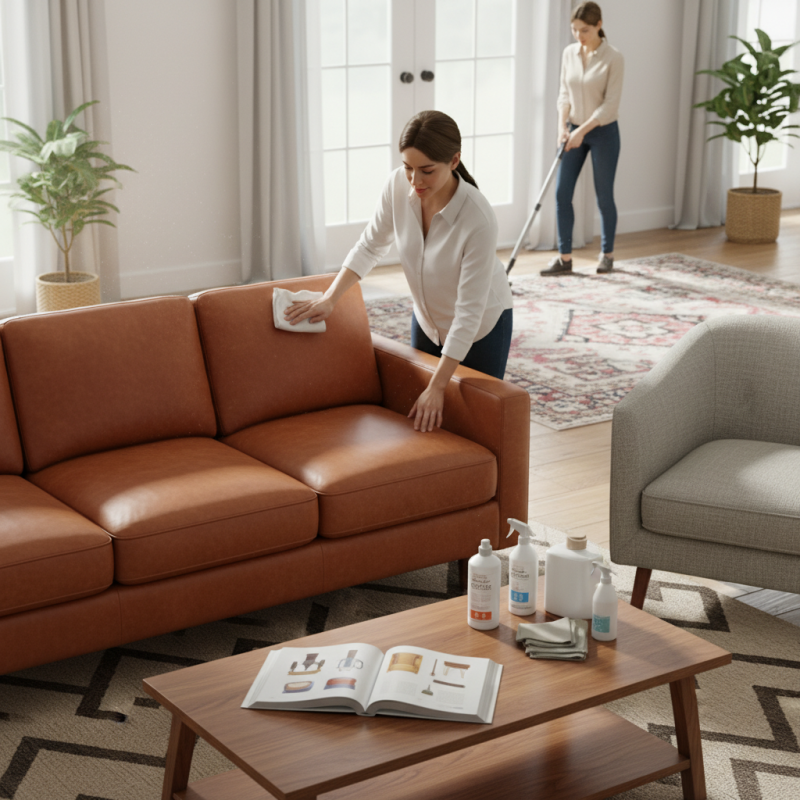
2026 Best Tips for Long Lasting Home Furnishings Maintenance?

Understanding Different Types of Home Furnishings Materials

When it comes to home furnishings, the material choice greatly influences maintenance and longevity. Wood, for example, is a classic option known for its durability. According to the American Home Furnishings Alliance, untreated wood can absorb moisture, leading to warping. Regular polishing can prevent damage and enhance shine.


Fabric upholstery presents a different challenge. Synthetic materials, like polyester, are durable but can collect dust and allergens. A study by the Asthma and Allergy Foundation shows that regular cleaning reduces allergy symptoms. Vacuuming every week helps maintain the fabric's appearance and protects it from stains.


Leather furnishings add elegance but require special care. The Leather Industries of America recommends conditioning leather items every six months to prevent cracking. Neglecting this can lead to unsightly and irreversible damage. Understanding these material properties empowers homeowners to make informed choices.

Essential Cleaning Tips for Maintaining Home Furnishings

Maintaining home furnishings can be daunting yet rewarding. Regular cleaning is crucial for extending the life of your beloved pieces. Start with dusting. Use a microfiber cloth to trap dust effectively. This simple step keeps surfaces clean and prevents buildup.

When it comes to upholstery, vacuuming is key. Focus on crevices and seams. This helps remove hidden dirt and allergens. Consider using a fabric-safe cleaner periodically. However, test any cleaner on a small area first. This ensures it won’t damage the fabric.

Don’t overlook wood furniture. Use a soft, damp cloth for cleaning. Avoid soaking the surface, as excess moisture can cause damage. Applying polish occasionally can enhance the shine. Just remember, too much polish can make surfaces slippery.

Embrace imperfections. Every scratch tells a story. Regular attention will keep the character intact while ensuring your furnishings look their best.

Preventative Measures to Extend the Life of Your Furnishings

To extend the life of your home furnishings, preventative measures are essential. Regular cleaning can prevent dirt buildup that damages surfaces. Use a soft cloth and gentle cleaning solutions. This routine not only keeps your furnishings looking great but also helps maintain their structural integrity. Pay attention to high-traffic areas; they often require more frequent care.

Temperature and humidity control play a key role in protecting your furniture. Keep your home at a stable temperature to prevent warping and cracking. Excessive humidity can lead to mold growth. Consider using dehumidifiers, especially in moist areas like basements. Think about these conditions and adjust as needed to ensure your furnishings remain safe and sound.

Avoid placing furniture in direct sunlight. Sunlight can fade fabrics and wood finishes over time, leading to irreversible damage. Use curtains or blinds to protect your investments. Even with these precautions, wear and tear will occur; reflect on how to adapt your care methods. Staying proactive is crucial for maintaining the beauty and longevity of your furnishings.

Seasonal Maintenance Routines for Home Decor Items

Maintaining home decor items throughout the seasons is crucial. Seasonal routines help protect your furnishings from wear and tear. A few simple practices can significantly extend their lifespan.

During spring, it's time to clean and refresh. Dust surfaces thoroughly and wash slipcovers. Pay special attention to windows. Sunlight can fade colors over time. Rotate cushions and pillows to ensure even wear. In summer, focus on preventing moisture damage. Use dehumidifiers in damp areas. Protect wooden furniture with coasters, and avoid placing them under direct sunlight.

Fall is an excellent opportunity for inspections. Check for scratches or damages on furniture. Minor repairs can prevent bigger problems later. Consider adding protective mats under heavy items. In winter, prioritize warmth and humidity. Keep the heating system in check. Use humidifiers to prevent wood from cracking. Regularly check for pests, as they may seek shelter indoors. These routines may seem tedious, but they’re worth it in the long run.

2026 Best Tips for Long Lasting Home Furnishings Maintenance

Item Type Maintenance Frequency Seasonal Tips Cleaning Method
Sofa Monthly Rotate cushions to maintain shape. Vacuum regularly; spot clean with fabric cleaner.
Dining Table Weekly Use coasters to prevent water rings. Wipe with a damp cloth and mild soap.
Rug Bi-monthly Rotate to avoid fading. Shake out outdoors and vacuum.
Curtains Seasonally Check for dust build-up. Wash or dry clean as per label instructions.
Mattress Quarterly Flip or rotate to maintain support. Vacuum and spot clean stains.

Storage Solutions for Long-Term Preservation of Furnishings

When it comes to preserving home furnishings, proper storage is key. Temperature and humidity control play vital roles. It’s essential to keep items in a cool, dry place. Avoid basements or attics where temperature fluctuations occur frequently. A climate-controlled environment is ideal for long-term preservation.

Plastic covers can trap moisture. Instead, use breathable materials like cotton or linen. Wrap furniture carefully to protect it from dust. Ensure items are clean before storing them to prevent mold and odor. Always consider the layout of your storage space. Keeping items organized helps you easily access them when needed.

For larger items, disassembly can save space. Detach legs from tables or chairs, and store them in a stacked manner. It’s imperfect, but sometimes you will forget which piece goes where. Labeling boxes or containers can significantly aid retrieval later. Remember to check on stored items occasionally. Reflect on their condition, and consider updating storage solutions based on your findings.

FAQS

: How often should I dust my home furnishings?

: Regular dusting is important. Aim to dust at least once a week. Use a microfiber cloth for best results.

What should I use to clean upholstery?

Vacuum thoroughly, focusing on crevices. Use a fabric-safe cleaner but test it on a small area first.

How do I maintain wood furniture?

Clean with a soft, damp cloth. Avoid soaking the wood. Apply polish occasionally for shine, but use it sparingly.

What seasonal maintenance should I follow in spring?

Dust and wash slipcovers. Rotate cushions and check windows for sunlight damage. It may take time, but it’s rewarding.

How can I prevent moisture damage in summer?

Use dehumidifiers in damp areas. Protect wood furniture with coasters and avoid direct sunlight exposure.

What should I do in fall for furniture inspections?

Check for scratches and minor damage. Consider protective mats under heavy items. Small repairs can save you later.

How should I store furnishings long-term?

Use a climate-controlled space. Avoid basements. Wrap items in breathable materials like cotton to prevent mold.

How can I organize my storage space effectively?

Keep items tidy and easy to access. Label containers to help remember what’s inside. It may feel tedious, but it helps.

What should I do before storing furniture?

Ensure all pieces are clean to prevent odors. Consider disassembling larger items to save space. It’s not always easy to remember.

How often should I check on stored items?

Inspect stored items periodically. Reflect on their condition and be open to updating your storage solutions.

Conclusion

Maintaining home furnishings for long-term use involves understanding the various materials used in furniture construction, as different materials require specific care approaches. Essential cleaning tips focus on routinely dusting, using appropriate cleaners, and addressing stains promptly to prevent damage. Preventative measures, such as using coasters and protective covers, can significantly extend the life of furnishings.

Additionally, adopting seasonal maintenance routines ensures that decor items are cared for throughout the year, while effective storage solutions play a crucial role in preserving the integrity of furnishings when not in use. By implementing these strategies, homeowners can effectively learn how to maintain home furnishing for long-term use, ensuring their investment remains beautiful and functional for years to come.

Isabella

Isabella

Isabella is a dedicated marketing professional with a sharp focus on driving brand growth and engagement through strategic content creation. With an extensive background in digital marketing, she combines her passion for storytelling with her keen understanding of industry trends to deliver......