2026 Best Tips for Selecting Furniture in Small Spaces?

Time:2026-05-05 Author:Isabella
0%

Selecting furniture for small spaces requires careful consideration. Understanding how to select furniture for small spaces can make a significant difference. You want pieces that maximize utility without overwhelming the area.

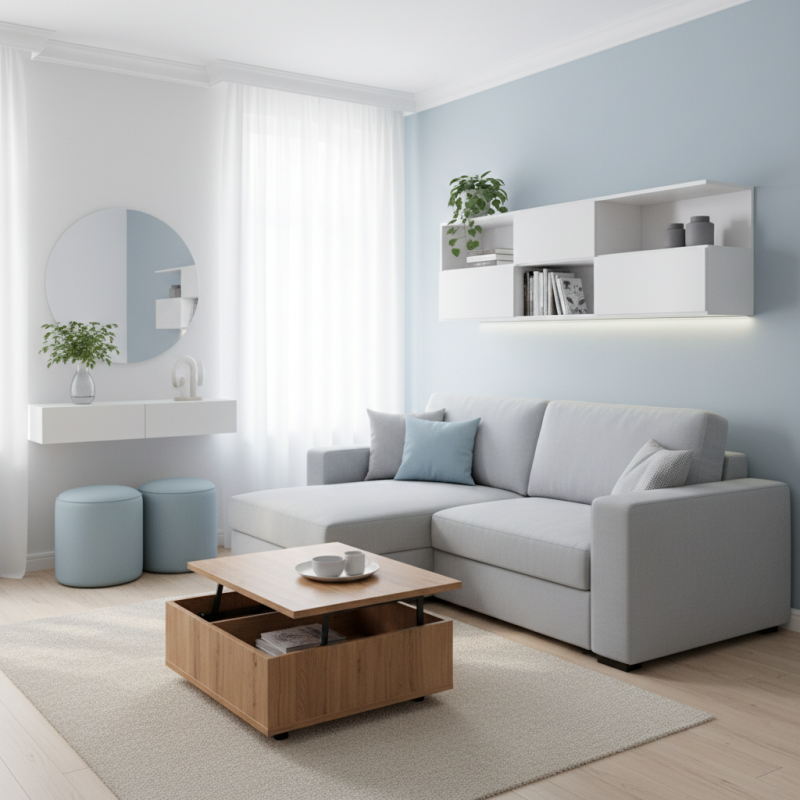
When choosing furniture, think about scale and proportion. A large sofa can dominate a tiny room, while a compact design will blend seamlessly. Prioritize multifunctional items, like a coffee table that doubles as storage.

Color and light are also crucial. Light-colored furniture can create an illusion of openness, while dark pieces may make a space feel cramped. Always remember the importance of personal style. Your space should reflect who you are, even if it’s small. The challenge lies in achieving this balance. Strive for comfort and function, while embracing a design that feels uniquely yours.
2026 Best Tips for Selecting Furniture in Small Spaces?

Understanding the Challenges of Furnishing Small Spaces

Furnishing small spaces can be both an art and a challenge. First, it’s crucial to gauge the size and layout of your area. Measure twice before purchasing. This helps avoid furniture that overwhelms or underutilizes the space. Consider multi-functional pieces. A sofa bed or an ottoman that opens for storage can maximize utility. Visual lightness is also key. Choose furniture with legs that lift it off the ground. This creates an illusion of more space.

Another challenge is maintaining a cohesive style without overcrowding. Choose a color palette that is soothing and consistent. Soft pastels or monochromatic schemes can open up a room visually. Avoid bulky furniture that detracts from the overall aesthetic. However, remember that flaws in selection can lead to reflection. Inevitably, some pieces may not fit as planned. This is a normal part of the process. Be willing to adapt your choices over time, changing out styles or arrangements to find what works best for your unique environment. Embrace the journey of making a small space functional yet stylish.

Prioritizing Functionality and Purpose in Furniture Selection

When selecting furniture for small spaces, prioritize functionality over aesthetics. Each piece should serve a clear purpose. A sofa that converts into a bed is a wise choice. It offers comfort for guests without taking up extra space. Look for ottomans that double as storage. They keep clutter at bay while adding seating.

Consider multi-functional furniture. A coffee table that can expand is ideal for small gatherings. Tables that fold away when not in use create flexibility. These choices can lead to creative and practical solutions. However, the temptation to overcrowd a small space is real. Be mindful of how each item impacts flow and accessibility.

Reflect on your needs. Sometimes, less is more. A single, well-placed chair can create an inviting atmosphere. It's easy to get caught up in trends, but function must come first. Ask yourself how you truly use the space. This scrutiny can reveal what you really need and what can be eliminated.

2026 Best Tips for Selecting Furniture in Small Spaces

Choosing Scalable and Multi-Functional Furniture Designs

When it comes to small spaces, choosing scalable and multi-functional furniture is key. This approach helps maximize every square inch of your home. For example, consider a sofa that converts into a bed. This piece serves two purposes, making it perfect for guests. Also, look for storage ottomans. They can act as both seating and concealed storage. A small coffee table that expands can adapt to your needs. These designs provide flexibility without sacrificing style.

Another vital factor is the material choice. Lightweight yet sturdy materials can help you move furniture easily. Think about modular shelving units that can be rearranged as needed. This adaptability allows you to change your space over time. Mirrors can also create an illusion of depth, making a room feel larger. They play a crucial role in enhancing the overall ambiance. However, remember that too many items can lead to clutter. Evaluate your needs and prioritize functionality. Embrace the idea that sometimes less is more. Finding the right balance will transform your space effectively.

Utilizing Vertical Space for Maximum Storage and Style

When it comes to small spaces, utilizing vertical space can redefine your living experience. Wall-mounted shelves can hold books and decor while leaving the floor clear. Consider using tall cabinets to maximize storage without taking up much floor space. This approach keeps your room feeling airy and open.

Incorporate multifunctional furniture that extends upwards. A desk that doubles as a shelf can save vital ground space. Consider adding hooks or pegboards for extra storage options. This not only enhances functionality but also adds a unique decorative touch.

Vertical gardens can be an exciting addition too. Use wall space to cultivate plants, making your area feel alive and fresh. This approach may require thoughtful planning, but the rewards are significant. Balancing practicality with style can be challenging, yet it inspires creativity.

Incorporating Color and Lighting to Enhance Small Areas

In small spaces, color and lighting can drastically alter perceptions of size and comfort. A study by the National Association of Realtors reveals that lighter colors make rooms appear larger. Consider pale blues or soft grays for walls. Such shades reflect light, enhancing brightness. Selecting furniture in colors that complement these hues can create a cohesive and open atmosphere.

Lighting is equally crucial. According to the American Society of Interior Designers, good lighting can make a space feel more inviting. A mix of ambient, task, and accent lighting works wonders. Using floor lamps or wall sconces instead of bulky table lamps saves space. Consider dimmable bulbs; they allow you to adjust the mood as needed. Natural light is a bonus. Keeping window treatments light can maximize sun exposure, making the room feel airy.

Reflecting on organization, it’s necessary to declutter. Too many vibrant pieces can overwhelm a small area. It's easy to forget this when experimenting with color. Each item should earn its place. Striking a balance between color, lighting, and furniture can elevate your small space into a stylish retreat.

FAQS

: Why is multi-functional furniture important in small spaces?

: Multi-functional furniture maximizes space. For instance, a sofa bed serves as seating and sleeping area.

What material should I look for in furniture?

Choose lightweight yet sturdy materials. This makes moving and rearranging easier.

How can I make a small room feel larger?

Use lighter colors on the walls. Shades like pale blue reflect light and enhance brightness.

What lighting options work best for small areas?

A mix of ambient, task, and accent lighting is ideal. Floor lamps save space compared to bulky table lamps.

How can mirrors affect a small space?

Mirrors create an illusion of depth. They can make a room feel larger and improve the overall ambiance.

What should I consider when choosing colors for small spaces?

Stick to complementary colors. Too many vibrant pieces can create a cluttered look.

How can I keep my small space organized?

Declutter regularly. Only keep items that serve a purpose or add value to your space.

Is natural light important in small rooms?

Yes, natural light creates an airy feeling. Use light window treatments to maximize sunlight exposure.

How should I approach lighting adjustments?

Consider using dimmable bulbs. This flexibility helps set the right mood for the room.

Conclusion

When it comes to understanding how to select furniture for small spaces, it is crucial to recognize the unique challenges that these areas present. Space limitations can be daunting, but prioritizing functionality and purpose in furniture selection can help maximize both comfort and utility. Opt for scalable and multi-functional designs that can serve multiple purposes, such as a sofa bed or an extendable dining table, allowing you to adapt the space to your needs.

Additionally, utilizing vertical space is essential for maximizing storage while maintaining style; consider wall-mounted shelves or tall bookcases that draw the eye upward. Finally, the incorporation of color and lighting can significantly enhance the ambiance of small areas, making them feel larger and more inviting. By focusing on these key aspects, one can effectively navigate the art of selecting furniture for small spaces, ensuring a stylish yet practical living environment.

Isabella

Isabella

Isabella is a dedicated marketing professional with a sharp focus on driving brand growth and engagement through strategic content creation. With an extensive background in digital marketing, she combines her passion for storytelling with her keen understanding of industry trends to deliver......