Creating a comfortable living space goes beyond mere aesthetics. It involves thoughtful choices that impact your daily life. Research from the American Psychological Association shows that our environment directly influences mood and productivity. Comfort plays a crucial role in enhancing our well-being.
To understand how to create a comfortable living space, consider your personal needs and preferences. Colors, lighting, and furniture layout matter significantly. According to recent studies, 70% of individuals feel more relaxed in organized, well-designed areas. However, achieving this can be challenging. It often requires trial and error, reflecting on what truly resonates with you.
Creating comfort is a dynamic process. What works today may not fit in the future. Life changes, and so should your space. Flexibility is key. Embracing imperfections allows for growth and adaptation, ensuring your living environment remains a true reflection of you.
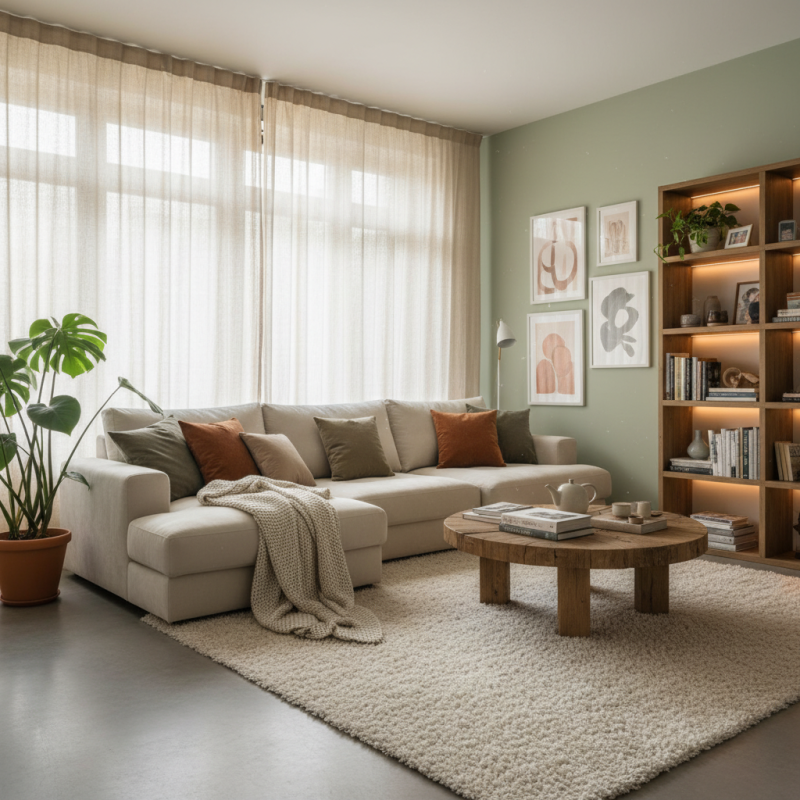
Understanding the Importance of Comfort in Your Living Space
Creating a comfortable living space is essential for our well-being. Studies show that a comfortable home can reduce stress and improve mental health. According to the American Psychological Association, a well-designed space can enhance focus and creativity. This highlights the importance of investing in our living environment.
Comfort can be achieved through simple adjustments. Use soft lighting to create a warm atmosphere. Natural light boosts mood and energy levels. Incorporating plants adds life and improves air quality. Research from the Journal of Environmental Psychology shows that green elements in our homes can enhance feelings of tranquility.
Selecting the right furniture is key. Choose pieces that fit your space without overcrowding. Opt for plush fabrics that invite relaxation.
Decluttering your space can also foster a sense of control and comfort. Studies indicate that an organized environment can lead to lower anxiety levels. Create a space that reflects your personality and needs. Emphasizing comfort can transform your home into a sanctuary.
Choosing the Right Furniture for Optimal Comfort and Functionality
Creating a comfortable living space begins with selecting the right furniture. The American Home Furnishings Alliance reports that 80% of consumers prioritize comfort when choosing furniture. This preference underscores the importance of ergonomics in your selections. Opt for chairs and sofas that provide adequate support. Look for cushions with a good balance between firmness and softness.
Material also plays a crucial role. Natural fibers like cotton and linen are breathable and add a cozy touch. Conversely, synthetic materials may offer durability but can lack comfort. According to a study from the Furniture Today Market Research, 65% of buyers prefer sustainable materials. This choice not only impacts comfort but also contributes to a healthier environment.
Placement of furniture can enhance functionality. Ensure there is enough space to move freely. Crowding a room with too many pieces can create discomfort and a chaotic atmosphere. Remember, less can be more. Sometimes, removing an item can drastically improve comfort. Reflect on how each piece truly serves your needs and enhances the overall feel of your space.
Utilizing Color and Lighting to Enhance Ambiance and Mood
Color and lighting play a crucial role in shaping the ambiance of our living spaces. A recent study by the Color Marketing Group revealed that color can affect mood and emotions significantly. For instance, warm colors can foster feelings of warmth and comfort, while cool colors promote calmness. The hue you choose for your walls can transform the perception of a room entirely. Soft blues and greens can create a serene environment, perfect for relaxation.
Lighting, too, has a profound impact on how we perceive space. Natural light is key; studies show that exposure to daylight improves well-being and productivity by 15%. Consider using dimmable light fixtures to adjust brightness according to the time of day. Combining layered lighting—overhead, task, and accent lights—enhances functionality and mood. However, many people overlook the significance of light temperature. Warmer light can make a space feel cozy, whereas cooler light may convey a more modern, clinical vibe.
Reflecting on personal preferences can lead to better choices. What feels right today may not resonate tomorrow. Experiment with various color palettes and lighting options to discover what truly enhances your living environment. Don't be afraid to make mistakes along the way; each adjustment brings you closer to a perfectly balanced space.
Incorporating Personal Touches to Reflect Your Personality
Creating a comfortable living space hinges on personal touches that reflect your personality. Start by displaying your favorite art pieces. They can instantly make a space feel uniquely yours. Consider family photos in creative frames. They bring warmth and a sense of history to any room. Choose colors that resonate with your emotions. Soft blues can invoke calm, while vibrant yellows may energize.
Plants can also infuse life into your environment. A simple potted plant on a windowsill enhances the air quality and adds a splash of green. Think about adding a few handmade items. They tell your story and show off your creative side. However, it’s vital to balance these personal items with an organized aesthetic. Too much clutter can feel overwhelming.
Reflect on your space regularly. What feels right today may change tomorrow. Perhaps you need to remove an item or shift furniture around. Your living space should evolve with you. It’s okay if not everything matches perfectly; imperfections often create charm. This delicate balance between comfort and authenticity shapes a living space that truly feels like home.
Organizing and Decluttering for a More Inviting Environment
Creating a comfortable and inviting living space often starts with effective organizing and decluttering. Research indicates that clutter can lead to increased stress levels. A study from the UCLA's Center on Everyday Lives and Families suggests that disorganized homes can negatively affect families. This means that simplifying your environment can enhance your well-being. A clean space helps promote mental clarity and relaxation.
Begin decluttering by assessing your belongings. Experts recommend tackling one area at a time. A well-known principle is the 80/20 rule, which suggests that we only use 20% of our items regularly. Consider donating or discarding items that don’t serve a real purpose. Group similar items together, and use storage solutions that keep things organized yet easily accessible.
Take a hard look at your furniture arrangement. Are you maximizing space effectively? Sometimes, it’s helpful to rethink your layout to enhance flow and function. Create cozy areas using rugs and lighting to make your environment more inviting. Little touches, like a well-placed plant, can also add warmth. However, don't strive for perfection; embrace your space with its unique quirks. Reflect on what truly makes you feel comfortable and let that guide your space.
10 Best Tips to Create a Comfortable Living Space
| Tip Number |
Tip |
Description |
| 1 |
Declutter Regularly |
Schedule time each month to review and remove items you no longer need. |
| 2 |
Create Zones |
Designate areas for specific activities, such as reading, working, or relaxing. |
| 3 |
Incorporate Soft Textures |
Use cushions, throws, and rugs to make your space feel cozy and inviting. |
| 4 |
Utilize Natural Light |
Open curtains during the day to invite sunlight in and brighten up the space. |
| 5 |
Personalize Your Space |
Include items that reflect your personality, such as art and photographs. |
| 6 |
Invest in Quality Furniture |
Choose furniture that is both functional and enhances the aesthetic of the room. |
| 7 |
Use Color Wisely |
Select a color palette that makes you feel relaxed and happy. |
| 8 |
Keep it Clean |
Regularly clean your living space to create a fresh and pleasant atmosphere. |
| 9 |
Add Plants |
Incorporate indoor plants to improve air quality and add a sense of tranquility. |
| 10 |
Utilize Smart Storage Solutions |
Use multi-functional furniture with built-in storage to maximize space. |
FAQS
: Comfort reduces stress and improves mental health. It enhances creativity and focus.
Use soft lighting for warmth. Natural light boosts mood and energy levels.
Plants enhance air quality and add life. They promote feelings of tranquility.
Select furniture that fits your space. Plush fabrics invite relaxation without overcrowding.
An organized space fosters comfort and reduces anxiety levels. It provides a sense of control.
Display your favorite art and family photos. Choose colors that resonate with your emotions.
Imperfections often create charm. Embrace the uniqueness of your living space.
Regularly assess your space. It should evolve with your changing needs and preferences.
Conclusion
Creating a comfortable living space is essential for enhancing your overall well-being and quality of life. To achieve this, it's crucial to understand the importance of comfort and how it affects your mood and productivity. Begin by choosing the right furniture that balances comfort and functionality, ensuring that each piece serves a purpose while providing a cozy atmosphere.
Next, utilize colors and lighting strategically to create an inviting ambiance; warm tones and soft lighting can significantly enhance the mood of your space. Incorporating personal touches, such as art or decor that reflects your personality, adds character and warmth to your environment. Lastly, maintaining an organized and decluttered space promotes a sense of peace and makes your living area more inviting. By following these guidelines on how to create a comfortable living space, you can transform your home into a sanctuary that truly represents you.

 TYE Home Furnishing