As we approach 2026, many homeowners are eager to refresh their spaces. The quest for the best home furnishing trends is on the rise. Home furnishings play a vital role in creating a comfortable and stylish atmosphere. So, what are the latest home furnishing trends? This question lingers in the minds of many.
This year, sustainability takes center stage. Eco-friendly materials and techniques are shaping the industry. Consumers prefer natural fabrics and recycled items. These choices reflect a broader commitment to the environment. Additionally, minimalist design remains popular. Clean lines and simple forms create a sense of calm. However, some individuals find it challenging to embrace this less-is-more approach.
Color trends are evolving too. Bold hues are emerging, challenging traditional neutrality. Yet, incorporating vibrant colors can feel daunting. Homeowners often struggle to balance bold shades with existing decor. The shift towards personalized spaces is notable. Individuals are seeking unique pieces that tell their stories. However, this journey can lead to confusion over choices. Embracing these trends could transform your home.
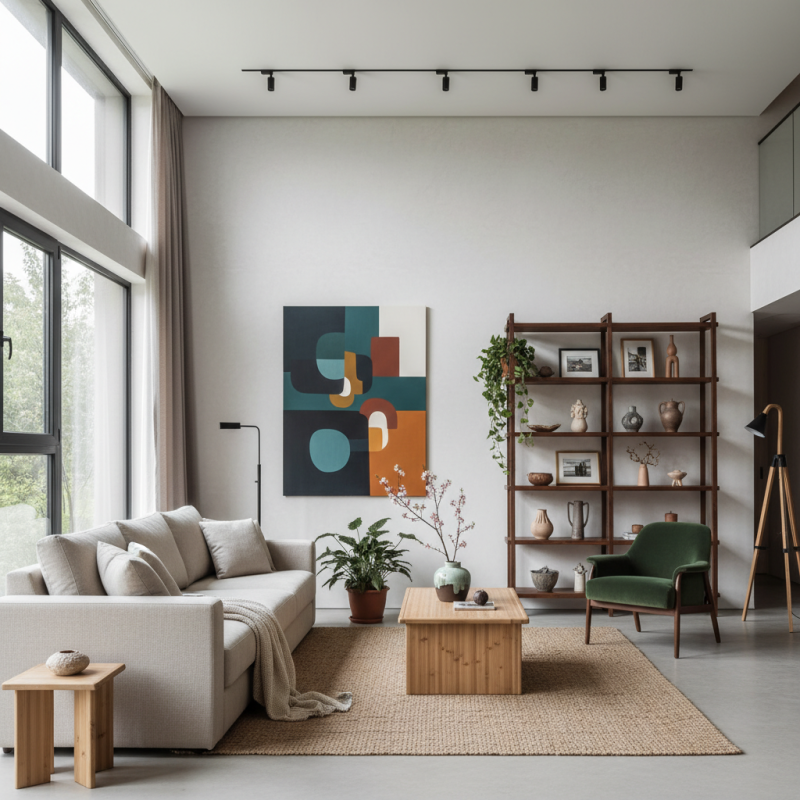
As we look forward to 2026, color trends in Chinese home furnishings are poised to reflect deeper cultural values. According to recent industry reports, muted earth tones are gaining popularity. Soft greens, warm browns, and muted blues encourage a sense of tranquility and connection with nature. This shift corresponds with evolving consumer preferences for sustainable living environments.
Parallelly, bolder accent colors are also on the rise. Bright yellows and deep terracotta shades are being integrated into designs, adding vibrancy to otherwise minimalist spaces. A 2023 design survey revealed that 74% of consumers are interested in using bold accents to reflect personality in their homes. These color choices not only enhance aesthetics but also provide a psychological boost.
However, achieving harmony remains a challenge. Too many clashing colors can overwhelm a space. As designers experiment, there is a delicate balance between creativity and practicality that needs constant reflection. This dynamic landscape encourages ongoing dialogue about consumer needs and aesthetic desires. The path ahead in 2026 will be shaped by these emerging choices.
Innovative materials are transforming home decor in China. Designers are now embracing sustainable options like bamboo and recycled plastics. These materials are not only eco-friendly but also stylish and durable. Bamboo, for instance, offers a unique aesthetic while minimizing environmental impact. Its lightweight nature makes it a favorite choice for furniture pieces.
Another trend is the use of smart materials. Furniture that changes shape or color based on temperature or lighting is gaining popularity. These innovations add a dynamic element to spaces. However, the durability of such materials can be a concern. Will they withstand daily wear and tear?
Textiles are also evolving. Natural fibers like linen and organic cotton are favored for their breathability and comfort. Yet, they require careful maintenance. Homeowners may need to regularly wash and treat these fabrics to keep them looking fresh. This is an ongoing challenge for those striving for a stylish yet practical home environment.
| Trend | Description | Innovative Material | Sustainability Aspect |
|---|---|---|---|
| Smart Homes | Integration of IoT for convenient living | Smart sensors, Automation systems | Energy-efficient devices, Reduced waste |
| Biophilic Design | Connecting interiors with nature | Natural woods, Living walls | Use of sustainable materials |
| Minimalistic Decor | Focus on simplicity and functionality | Recyclable metals, Eco-friendly fabrics | Lower resource consumption |
| Color Psychology | Using colors to influence mood and behavior | Natural dyes, Non-toxic paints | Promotes health and well-being |
| Adaptive Furniture | Transformable designs for versatile spaces | Lightweight composites, Multi-functional materials | Space-saving solutions |
As we approach 2026, sustainable design in Chinese home furnishings is becoming a focal point. Many designers are emphasizing eco-friendly materials. Bamboo, reclaimed wood, and organic fabrics are gaining popularity. Consumers are increasingly aware of their choices. They seek furniture that minimizes environmental impact while offering style and functionality.
Minimalism is another trend alongside sustainability. Clean lines and neutral colors dominate the look. This approach encourages mindfulness and reflection in living spaces. However, the challenge lies in striking a balance. Excessive minimalism can feel barren. It’s necessary to add personal touches without compromising sustainability.
The integration of technology also influences sustainable design. Smart homes are emerging, promoting energy efficiency. Yet, the reliance on technology raises questions. Does convenience overshadow ecological responsibility? Designers must navigate this dilemma to create meaningful spaces. In a culture valuing harmony, the strive for sustainable living is essential for future generations.
Smart home integration is transforming the way we choose furnishings. Advanced technologies enable us to create spaces that are both stylish and functional. For instance, imagine a living room where lighting, temperature, and entertainment systems work in perfect harmony. Such setups are becoming standard in modern homes.
However, this integration can also lead to complexity. Consumers may feel overwhelmed when selecting the right devices. Not everyone is tech-savvy. Choosing between options may require assistance from experts. A reliable source for advice is crucial in navigating these choices.
A blend of comfort and technology is essential. Innovative materials and smart furniture designs enhance user experience. Items that adapt to individual needs help in achieving a personalized living space. Yet, striking a balance between aesthetics and functionality remains a challenge. How do we ensure that technology complements our lifestyle without making it cluttered?
This chart illustrates the top furnishing trends expected to influence the market in China by 2026. The popularity index reflects consumer interest and adoption rates for smart furniture, sustainable materials, minimalist design, personalization, and smart home integration.
As we approach 2026, cultural influences play a significant role in shaping home decor trends in China. Traditional aesthetics remain prevalent, blending with modern elements. The 2023 Home Design Trends Report highlights that over 62% of urban homeowners prioritize harmony between contemporary styles and cultural heritage. This balance reflects a deep appreciation for history while embracing modern conveniences.
Color palettes are shifting, with earthy tones gaining popularity. These colors reflect a connection to nature, which is essential in Chinese culture. Shades of green and brown are expected to dominate spaces next year, representing growth and stability. Experts from the China Interior Design Association suggest incorporating natural materials, like wood and stone, to enhance this trend.
Tip: Consider adding plants and natural textures to your space for a fresh vibe.
Moreover, Feng Shui principles continue to influence home layouts. More homeowners are opting for designs that promote positive energy flow. Research indicates that 45% of buyers now consult Feng Shui experts when renovating. This not only preserves cultural heritage but also impacts overall well-being.
Tip: Create balanced furniture arrangements to maintain a serene environment. Reflecting on these aspects can improve functionality while honoring cultural significance.
: Muted earth tones like soft greens, warm browns, and muted blues are becoming popular.
These colors promote tranquility and a connection with nature, reflecting sustainable living preferences.
Bright yellows and deep terracotta shades add vibrancy to minimalist spaces, enhancing aesthetics.
About 74% of consumers want bold accents to showcase personality in their homes.
Too many clashing colors can overwhelm, making harmony a delicate balance to achieve.
Technology allows homes to be stylish and functional, creating harmonious living environments.
Consumers often feel overwhelmed by options and may need expert advice to navigate selections.
Innovative materials enhance user experience and support personalized living spaces.
It's essential to balance aesthetics and functionality without making spaces feel cluttered.
Ongoing dialogue about consumer needs can guide us toward better aesthetic and practical decisions.
In 2026, the latest home furnishing trends in China reflect a dynamic fusion of innovation, sustainability, and cultural richness. Emerging color palettes are set to enliven spaces, with earthy tones and vibrant hues taking center stage, promoting a sense of harmony in homes. Innovative materials are reshaping decor choices, moving towards options that are not only aesthetically pleasing but also eco-friendly.
Sustainable design trends are increasingly prevalent, as consumers prioritize environmentally conscious furnishings. Additionally, smart home integration is revolutionizing how technology influences furnishing choices, making homes more efficient and connected. Lastly, cultural influences remain significant, with traditional aesthetics finding modern interpretations, ensuring that the latest home furnishing trends resonate deeply with Chinese heritage while embracing contemporary lifestyles.

TYE Home Furnishing