Choosing the right furniture for your family home is a crucial task. High-quality furniture should blend comfort, durability, and style. Families have unique needs, and the right selection can create a welcoming environment. Understanding how to choose furniture for family homes involves more than just aesthetics.
Consider the family's lifestyle. Young children may require stain-resistant fabrics and sturdy materials. Pets can complicate furniture choices, too. Evaluating these factors can guide you toward the best options. Safety and functionality are key. Furniture should be stable and free from sharp edges.
Remember, personal taste plays a role, but practicality must come first. Involve family members in the process. Their input helps ensure comfort and satisfaction. Don’t hesitate to seek advice from experts in furniture selection. Their insights can help you avoid common pitfalls. Choosing the right pieces can foster a sense of belonging and harmony at home. So, take the time to explore how to choose furniture for family homes. It’s worth the effort.
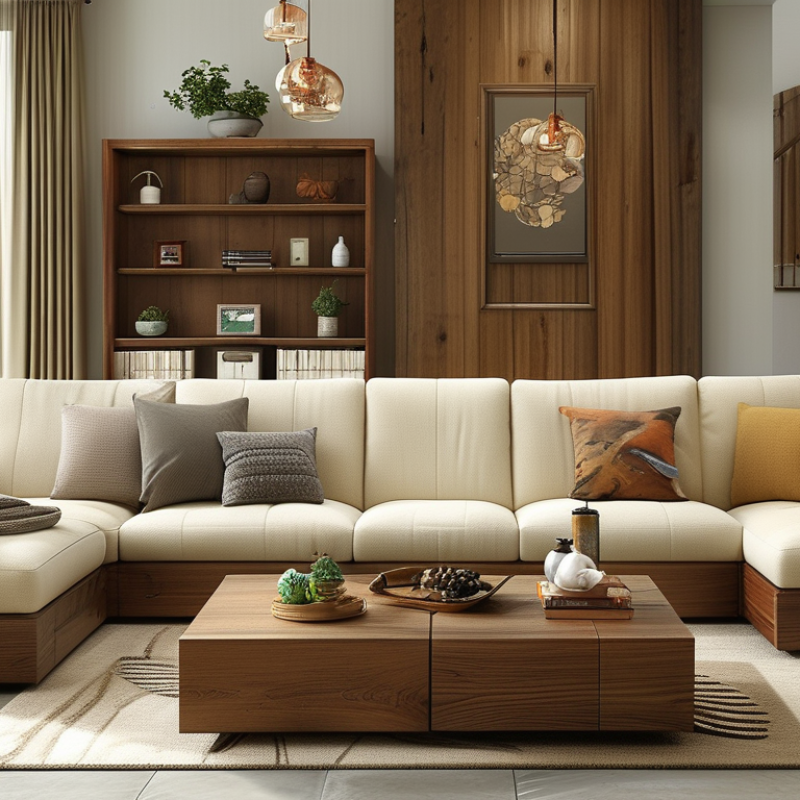
Understanding family needs in furniture selection is crucial for creating a comfortable home. Families come in various sizes and structures. Each family has different activities, from playtime to family dinners. This diversity shapes furniture needs.
Consider safety first. For homes with small children, furniture should be sturdy and without sharp edges. Materials should be easy to clean and resistant to spills. For homes with teenagers, functionality becomes essential. Desks and chairs that adapt to multi-use spaces are ideal. Think about styles that can evolve with family changes.
Space planning is vital. Are rooms too crowded? Overstuffed furniture can hinder movement. Measure spaces accurately before purchasing. Take time to visualize how furniture fits into daily life. Ask family members for input. Their preferences foster a sense of belonging. Ultimately, a balance between aesthetics and practicality ensures the best fit for every family.
Choosing the right furniture for family homes involves understanding the durability of materials relevant to family lifestyles. Children and pets can put stress on furniture, making durability vital. According to a recent study by the American Home Furnishings Alliance, nearly 70% of families prioritize durability when buying furniture.
Wood, metal, and upholstery each have strengths and weaknesses. Hardwood is often praised for its longevity but can dent. Conversely, softwoods are more affordable but less durable. Metal offers great strength, yet it can be cold and uninviting. When it comes to upholstery, fabrics need to be stain-resistant and easy to clean. Look for materials such as microfiber or treated fabrics with high double rub counts, which indicate durability.
Tips: Always test how a piece of furniture feels. Gently scratch the surface or press down on cushions. Dents may reflect long-term wear. Additionally, consider a warranty. It’s an indicator of a manufacturer’s confidence. Families with dynamic lifestyles should regularly assess their furniture. Repairing or replacing can prevent costly investments later.
When selecting furniture for family homes, safety is paramount. Many pieces can contain harmful chemicals. These chemicals are often found in non-water-based paints, stains, and adhesives. Opting for furniture that uses natural materials can help minimize exposure to these toxins.
Look for furniture made from solid wood, organic fabrics, and natural finishes. Avoid pieces that are heavily processed. Sometimes, cheaper options may seem attractive, but they can compromise safety. Ask about how the furniture is made and the materials used. Information from reliable sources can guide you in making informed choices.
It’s helpful to keep in mind your children’s habits. They may chew, lick, or touch surfaces frequently. Consider how easy it is to clean the furniture too. Non-toxic finishes are easier to maintain. In the end, your goal is a safe, inviting home for family. Ensuring furniture is not just aesthetically pleasing, but also safe requires thoughtful consideration.
When choosing furniture for family homes, versatility is key. Multi-functional pieces can adapt to various needs, making them perfect for busy households. According to a report by the American Home Furnishings Alliance, over 60% of families prioritize space-saving designs in their furniture selection. This trend highlights the need for furniture that serves dual purposes.
Consider a sofa that converts into a bed. It’s a practical solution for unexpected guests. A dining table with extendable leaves also offers flexibility. Choosing items that can be easily rearranged or reconfigured helps maximize space and usability.
Tips: Look for furniture with built-in storage. Ottomans and coffee tables with hidden compartments reduce clutter. Keep in mind that not all multi-functional furniture is equal. Some may sacrifice style for function. Assess the quality of materials to ensure durability. Investing in well-made versatile items may save money in the long run. Keep your family's unique needs in focus; what works for one home may not fit another.
Creating a family-friendly space requires a keen balance between style and comfort. When choosing furniture, consider materials that stand up to wear and tear. For example, opt for stain-resistant fabrics or durable wood finishes. These choices not only enhance aesthetics but also ensure longevity in a bustling home environment. In living rooms, soft textures can invite relaxation, while robust designs can withstand the daily hustle.
Functionality is paramount. Multi-purpose furniture, like a storage ottoman or a fold-out couch, maximizes space without sacrificing style. While trendy pieces might catch the eye, they should also accommodate daily life’s unpredictability. Evaluate how children and pets interact with the pieces. A beautiful glass coffee table may look elegant, but it requires constant cleaning. Think about the balance between visual appeal and practical use.
Incorporating personal touches can make spaces feel inviting. Family photos or artworks provide a warm atmosphere. However, be cautious with clutter. It’s easy to overload a room, detracting from its overall vibe. Evaluate each item for its purpose. A well-chosen accessory can enhance comfort, while an unnecessary knick-knack may create chaos. Aim for simplicity without losing character, and always allow space for reflection on the family's evolving needs.
: Choose solid wood, organic fabrics, and natural finishes to reduce harmful chemical exposure.
Understanding the manufacturing process helps ensure safety and informs your choices regarding materials.
Kids often touch, chew, or lick surfaces. Non-toxic finishes are easier to clean and maintain.
Balance between style and comfort is crucial. Look for durable, stain-resistant materials that endure wear and tear.
Furniture that serves multiple functions can save space and add flexibility to your living area.
While stylish, they may not always withstand daily use or fit practical lifestyle needs.
Family photos and artwork create warmth but be wary of clutter that can disrupt the space's vibe.
Evaluate each item’s purpose and avoid unnecessary knick-knacks to keep the space inviting and organized.
Furniture must accommodate daily life's unpredictability, ensuring it serves its purpose while looking good.
Choose pieces that are visually appealing yet easy to maintain and practical for everyday use.
When considering **how to choose furniture for family homes**, it's essential to first understand the unique needs of your family. This involves assessing how the furniture will fit into your lifestyle, taking into account factors like the age of children and the presence of pets. Evaluating the durability of materials is crucial; opt for robust options that can withstand daily wear and tear.
Safety should also be a priority, so selecting non-toxic furniture is imperative to ensure a healthy environment for your loved ones. Additionally, versatile and multi-functional pieces can enhance the usability of family spaces, allowing for more dynamic living. Finally, striking a balance between style and comfort will help create a harmonious atmosphere that caters to both aesthetic preferences and family comfort. By following these guidelines, you can make informed choices that will benefit your home for years to come.

TYE Home Furnishing