As more people look to create healthier living spaces, eco-friendly home furnishings are a growing trend. Michael Green, a well-known sustainable design expert, emphasizes, "Choosing eco-friendly furnishings is not just a trend; it’s essential for our planet's future." This statement sheds light on the importance of making informed choices.
When considering how to choose eco friendly home furnishing options, one must think critically about materials and production processes. Many traditional furnishings can contain harmful chemicals. Opting for pieces made from sustainable materials, like bamboo or reclaimed wood, is a smart choice. However, be wary; not all “eco-friendly” labels are trustworthy. Research and seek verified certifications.
Creating an eco-friendly home isn't always straightforward. Personal preferences can sometimes clash with sustainable choices. It can be challenging to find stylish designs that align with environmental responsibility. Yet, the effort is worthwhile. Your home can reflect both beauty and a commitment to sustainability.
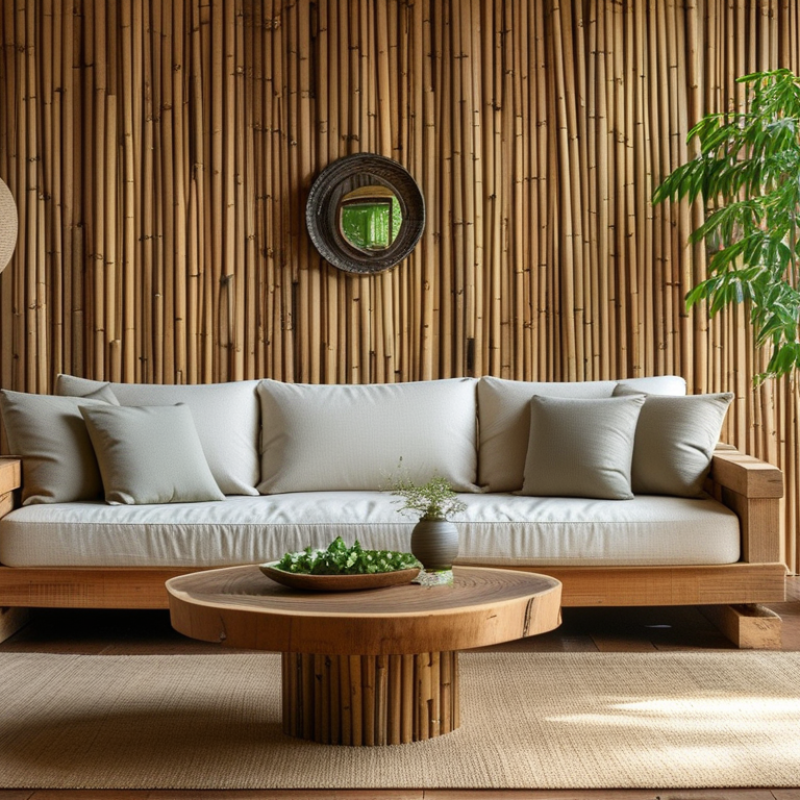
When selecting eco-friendly home furnishings, understanding materials is key. Various types of sustainable materials are available, each with unique benefits. Bamboo is a popular choice due to its rapid growth and renewability. This grass absorbs carbon dioxide efficiently, contributing to a healthier environment.
Recycled materials are another excellent option. They reduce waste and often require less energy to process. Consider furniture made from reclaimed wood or recycled metal. This not only conserves resources but adds character to your home.
Tips for choosing eco-friendly furnishings:
1. Look for certifications, such as FSC for wood.
2. Prioritize local materials to reduce transportation impacts.
3. Think about durability; long-lasting products are more sustainable.
Finding the right eco-friendly option can feel overwhelming. Embrace the imperfections in the process. Not every choice will be perfect, and that’s okay. Reflect on what works best for your lifestyle while remaining committed to sustainability. Ultimately, each small choice contributes to a larger impact. Choose with intention.
When selecting eco-friendly home furnishings,
certifications play a crucial role. Many consumers often overlook these labels but they denote key environmental standards.
Products certified by organizations like the Forest Stewardship Council (FSC) ensure responsible forest management.
According to a report by the Sustainable Furnishings Council, around 70% of consumers desire sustainable options when shopping for home goods.
Tips: Look for certifications that indicate low emissions.
The GREENGUARD label, for instance, verifies a product’s emissions limits.
It helps reduce indoor air pollution and creates a healthier living space.
Another essential certification is the Global Organic Textile Standard (GOTS).
This label ensures that textiles meet organic standards, promoting sustainability from farm to finish.
With around 30% of people unaware of upholstery certifications, it’s vital to educate oneself about these labels.
Not every certification is equal, and many might be misleading.
Assessing what each label entails is necessary for making informed choices.
Tips: Research each certification and its credibility.
Transparency is key. Ask brands about their sourcing and manufacturing processes to ensure they align with your eco-friendly goals.
Always be skeptical of products claiming to be “green” without tangible proof behind them.
When choosing eco-friendly home furnishings, assessing
lifespan and durability
is crucial. Quality products not only reduce waste but also save money in the long run. Look for materials
that are recycled, sustainably sourced, or biodegradable.
These choices often stand the test of time. For instance, bamboo is a fast-growing material that
offers strength and stability.
Tips: Check the manufacturer's claims. Look for certifications
that prove the product's eco-friendliness. Be cautious of vague marketing terms. Such claims often
lack substance. Consider how often you will use the item. Everyday items should be robust, while
decorative ones can be lighter and less durable.
Do not overlook the maintenance of these items. Some eco-friendly materials need special care.
These requirements could affect their lifespan. Reflect on the initial investment versus long-term
benefits. Durable choices may cost more upfront but ultimately offer sustainability and value.
Evaluate your lifestyle and choose wisely.
Calculating your home's carbon footprint from furnishings involves several steps. Start by identifying the materials used in your furniture. Wood, metal, and plastic have different environmental impacts. Locally sourced wood tends to have a lower carbon footprint than imported options. Meanwhile, plastic can take centuries to break down.
Next, think about the lifecycle of the products. How long will your furniture last? Durable items typically reduce waste over time. However, many choose trendy pieces that end up discarded after a few years. Each piece contributes to your home's overall carbon footprint, so consider longevity and quality over aesthetics.
Another factor is production methods. Eco-friendly materials and sustainable practices can greatly reduce emissions. Don't overlook second-hand options, which can lower your footprint significantly. While shopping, reflect on your choices. Each decision impacts the environment, so aim for furnishings that are both beautiful and responsible.
Budgeting for eco-friendly furnishings can be challenging. Many assume that sustainable options are always more expensive. However, this isn’t necessarily true. While the initial purchase price may be higher for sustainable items, they often offer long-term savings.
When selecting eco-friendly furniture, consider the materials. Look for pieces made from reclaimed wood or recycled materials. Such options tend to be durable and can last longer. Keep in mind that lower-priced items may not always be made responsibly. Sometimes, they can wear down quickly, leading to increased costs over time.
Reflecting on your choices is crucial. When investing in sustainable furnishings, consider the impact on your overall budget. Are you willing to spend a bit more for quality and longevity? Each eco-friendly purchase can also reduce environmental impact. It’s about balancing upfront costs with future savings. Focusing on quality over quantity can lead to a more sustainable and financially sound home.
: Bamboo and recycled materials are popular choices. Bamboo grows quickly and absorbs carbon dioxide. Recycled materials reduce waste and energy use.
Look for certifications like FSC. This ensures the wood is sourced sustainably. Local materials are also a great option.
Long-lasting products are more sustainable. They reduce waste over time. Trendy items often get discarded quickly.
Identify the materials used in your furniture. Consider their longevity and production methods. Locally sourced items usually have a lower impact.
Plastic takes centuries to break down. Its prolonged lifecycle adds to the carbon footprint. Aim to reduce plastic usage in your home.
Yes, second-hand choices significantly lower your carbon footprint. They reuse materials and prevent waste, making them a great option.
When considering "How To Choose Eco Friendly Home Furnishing Options," it is essential to understand the various eco-friendly materials available and their benefits, such as sustainability and reduced environmental impact. Evaluating certifications can provide additional assurance that products meet certain environmental standards. Moreover, assessing the lifespan and durability of these items helps ensure that they not only contribute to a greener home but also stand the test of time.
Additionally, calculating your home's carbon footprint related to furnishings can highlight areas for improvement in your environmental impact. Budgeting effectively is crucial, as opting for sustainable choices might require higher initial costs but often leads to long-term savings through durability and lower environmental costs. Balancing these factors will guide you in making informed decisions about eco-friendly home furnishings that align with both your ethical values and practical needs.

TYE Home Furnishing