Choosing the best outdoor furnishing ideas can transform your space into a personal oasis. What are the best outdoor furnishing ideas? The answer lies in understanding your style and needs. Consider your outdoor environment — is it sunny, shaded, or windy? Each aspect influences the materials you should choose. For instance, weather-resistant furniture is crucial in harsh climates.
Explore various themes for your outdoor space. A cozy cottage style might embrace lightweight, comfortable chairs and natural fiber cushions. Alternatively, a modern aesthetic could feature sleek lines and metal finishes. Look at textures and colors too. Bright hues can energize a space, while earthy tones create a calm retreat.
Take time to reflect on how you will use the space. Do you entertain often, or is it a quiet escape? The best furnished outdoors is versatile and functional. You can create areas for lounging, dining, or gathering with friends. It’s all about personalization. In the journey to style your outdoor sanctuary, remember that less can often be more. Embrace simplicity and functionality to enhance your experience.
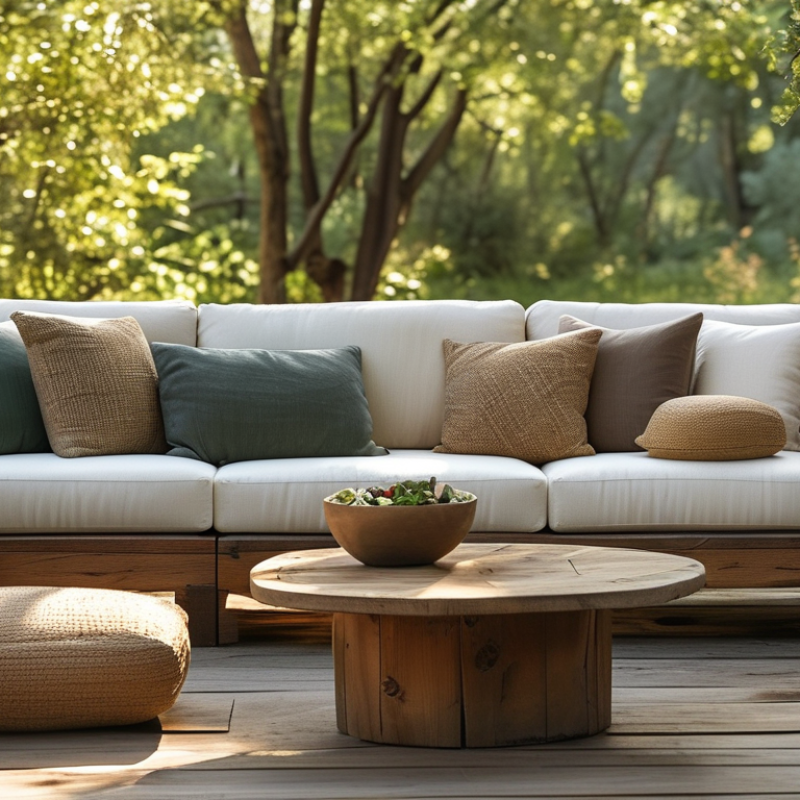
Understanding Your Outdoor Space: Dimensions and Layout Considerations
When considering outdoor furnishing ideas, understanding your outdoor space is crucial. Analyze the dimensions of your area before choosing any furniture. Measure the length and width of your patio or garden. Note any obstacles like trees or pathways. These details influence your overall layout.
Think about how you plan to use the space. Is it for entertaining, relaxation, or dining? Create zones based on your needs. For example, a small area may suit a cozy seating arrangement, while a larger space can accommodate a dining table. Visualize the flow between different zones. A cramped layout can make the area feel confined.
Remember to factor in the elements surrounding your outdoor space. Wind, sun exposure, and privacy play significant roles. Consider using plants or screens for added shelter and aesthetics. Experiment with different arrangements on paper. Stay flexible and open to change. Sometimes, the initial setup may not feel right. Adjusting your layout can enhance your outdoor experience.
Evaluating Climate Impact: Material Durability and Weather Resistance
Choosing outdoor furnishings requires careful thought, especially regarding material durability and weather resistance. The climate in your area greatly influences these factors. For example, regions with high humidity may accelerate wood rot. Metal, while sturdy, can rust without proper treatment.
Consider the specific weather patterns you face. Intense sun exposure can fade fabrics over time. UV-resistant materials can mitigate this effect. Rain can lead to mold or mildew on fabrics. Look for waterproof or water-resistant options. This can save you time cleaning and maintaining your furniture.
Even with the best materials, perfection is elusive. Some pieces may still sustain damage. It’s crucial to regularly inspect your furnishings. Small cracks or fading indicate a need for replacement or care. Embracing imperfection allows for a beautiful, lived-in patio. Adaptability is key to ensuring your outdoor space remains inviting and functional.
How to Choose the Best Outdoor Furnishing Ideas for Your Space?
| Material |
Durability (Years) |
Weather Resistance |
Climate Suitability |
Maintenance Level |
| Teak Wood |
25+ |
Highly Resistant |
Tropical Climate |
Low Maintenance |
| Aluminum |
15-20 |
Rust Resistant |
All Climates |
Very Low Maintenance |
| Wicker |
5-10 |
Moderately Resistant |
Moderate Climate |
Medium Maintenance |
| Plastic |
10-15 |
Water Resistant |
All Climates |
Very Low Maintenance |
| Cast Iron |
20+ |
Rust Resistant with Coating |
Cold Climate |
Medium Maintenance |
Identifying Your Style: Aesthetic Preferences and Design Trends in 2023
When it comes to outdoor spaces, aesthetics play a crucial role. Identifying your style involves understanding what truly resonates with you. In 2023, many people favor natural materials. Wooden chairs, stone tables, and woven fibers are popular choices. These elements create a warm, inviting atmosphere. Soft earth tones and bold colors are also trending. They can drastically alter the mood of your space.
Reflecting on current design trends, biophilic design stands out. This style emphasizes a connection to nature. Large plants and outdoor greenery enhance relaxation. Consider using planters to create vertical gardens. It’s a way to bring the outdoors in. However, it might not suit every climate. Think about your environment and how plants thrive in your area.
Another interesting design trend is multifunctional furniture. It provides versatility in limited spaces. Look for benches that double as storage or tables that can fold away. This concept allows for adaptability. Yet, be cautious. Too much furniture can crowd your space. Balance is essential in creating a cohesive outdoor oasis. Your personal preferences should ultimately guide your choices.
Budgeting for Quality: Average Costs of Outdoor Furnishings and Long-Term Value
When considering outdoor furnishings, budgeting plays a crucial role. Quality outdoor furniture can be an investment. On average, you might spend anywhere from a few hundred to several thousand dollars. The range often depends on the material, design, and brand reputation. Investing wisely ensures your furniture withstands the elements, saving you money in the long run.
It's essential to evaluate durability versus style. Sometimes, cheaper options may look appealing but lack longevity. A well-crafted piece can last for years. Think about maintenance costs too. For example, materials like teak or aluminum need less upkeep than wood. However, they come with a higher price tag.
Reflecting on your outdoor lifestyle is vital. If you entertain often, consider prioritizing comfort and style. But if your space is for relaxation, durability might be more important. Assess your needs and weigh your options. Balancing quality and cost is not always straightforward, but it leads to better choices.
Average Costs of Outdoor Furnishings
This chart illustrates the average costs associated with various types of outdoor furnishings, helping you budget for quality and understand long-term value.
Sustainable Choices: Eco-Friendly Materials and Their Environmental Impact
When selecting outdoor furnishings, sustainability should be a key focus. Eco-friendly materials have lower environmental impacts. A recent report from the Sustainable Furnishings Council indicates that up to 70% of consumers prefer sustainable options. Wood, for instance, can be a great choice if sourced responsibly. Look for products certified by organizations like the Forest Stewardship Council (FSC).
Plastic furniture can often be made from recycled materials, reducing landfill waste. However, not all plastics are equal. Some recyclable plastics have a limited lifespan and may degrade quickly. Choose products made from high-quality, durable materials, and consider their disposal lifecycle.
Tips for Eco-Friendly Furnishing:
Use textiles made from organic cotton or hemp. These options are not only sustainable but also comfortable. Always check for certifications like GOTS for textiles to ensure eco-friendliness.
Lastly, consider the transportation impact of your furniture. Locally sourced materials often have a smaller carbon footprint. Reflect on the life cycle of your choices. It’s essential to create a space that reflects both style and responsibility.
FAQS
: Measure the length and width of your area. Note obstacles like trees or pathways.
Think about usage. Is it for entertaining, relaxation, or dining? Create zones based on your needs.
Sketch layouts on paper. Ensure there is comfortable movement between areas.
Wind, sun exposure, and privacy affect comfort. Use plants or screens for protection.
Costs range from a few hundred to several thousand dollars. Quality influences the price.
Balance both factors. Cheap options may look good but may lack longevity.
Some materials require less upkeep. Consider these costs when evaluating your options.
Stay flexible. Adjusting your layout can improve the overall experience.
If you entertain often, prioritize comfort. For relaxation, durability may matter more.
Yes, a well-crafted piece can last for years and save money long-term.
Conclusion
When considering "What Are The Best Outdoor Furnishing Ideas," it's essential to start by understanding your outdoor space, including its dimensions and layout. This foundational knowledge helps ensure that your furnishings fit harmoniously within the environment. Evaluating the impact of climate on material durability and weather resistance is also crucial; selecting the right materials can extend the lifespan of your furnishings.
Identifying your personal style by following current design trends can make a significant difference in creating a cohesive aesthetic. Moreover, budgeting for quality is important, as investing in quality furnishings often yields better long-term value. Finally, consider sustainable choices by opting for eco-friendly materials that minimize environmental impact, ensuring your outdoor space is not only beautiful but also responsible.

 TYE Home Furnishing