Choosing the right color scheme for your interiors can significantly impact the overall ambiance of your space. It influences mood, perception, and even functionality. When considering how to choose the right color scheme for interiors, it is essential to reflect on various factors. Your personal taste should guide you, but it's also vital to consider the room’s purpose. For instance, calming blues work well in bedrooms, while energetic yellows can inspire creativity in a home office.
However, many people make mistakes when selecting colors. A common error is overlooking the room's lighting. Natural and artificial light can alter how colors appear. Testing samples in different lighting conditions is crucial. Additionally, balancing bold hues with neutral tones can create harmony. Think of how colors interact within your space. Colors that clash may create discomfort, while those that complement can elevate the environment.
Incorporating these insights will help you on your journey to find the perfect color scheme. By doing so, you’re not just putting colors together; you’re creating a cohesive environment that resonates with you and your lifestyle. Remember, reflection is key—don’t rush the process. It's about finding what truly works for you.
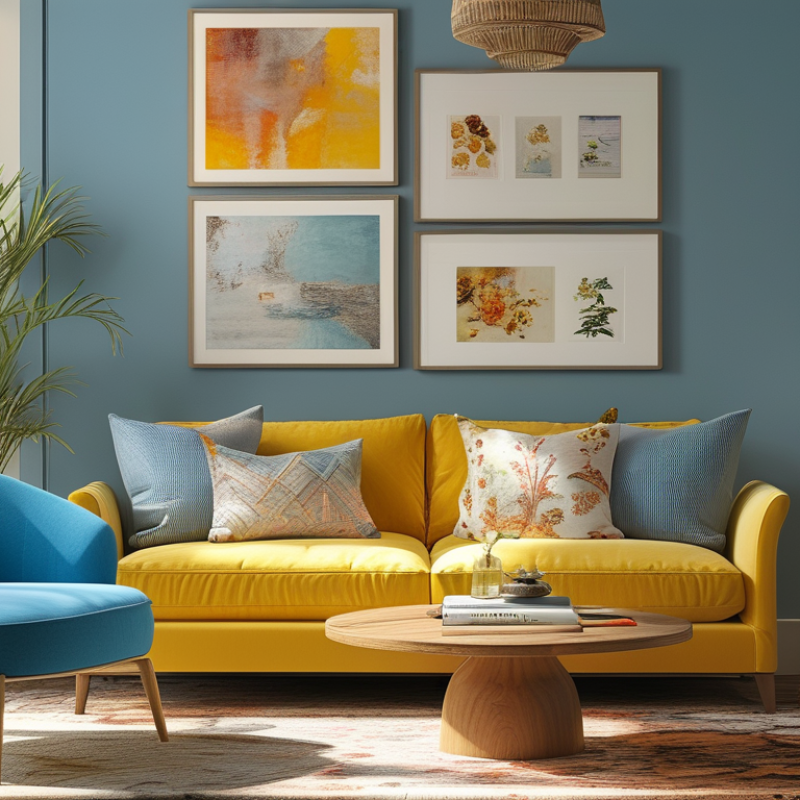
Choosing the right color scheme for interiors starts with understanding color theory. Color evokes emotions and influences the perception of space. Research indicates that colors can impact mood; for instance, blues often create a calming atmosphere, while yellows can stimulate creativity. This knowledge is crucial for designers aiming to craft spaces that resonate with users.
According to studies by the American Institute of Architects, approximately 90% of a person's subconscious response to a room is due to color. It suggests that bold choices may energize a room but can be overwhelming if used excessively. Reflecting on personal preferences and the function of each space is crucial. For example, a vibrant kitchen can enhance social interaction. Yet, it might cause stress if it’s too intense.
Understanding color harmony also plays a key role in design. Different color combinations can either clash or complement each other, making a significant difference in the overall feel. The traditional color wheel offers numerous schemes, such as analogous or complementary colors. However, it’s important to remember that not every color pairing works for all. What looks good in a design software may not translate well in real life. Testing swatches in natural light can help prevent costly mistakes.
Identifying your personal style is crucial in choosing the perfect color scheme for your interiors. Studies show that 85% of home buyers focus on paint color when deciding on a property. Your preferences should reflect your lifestyle and personality. For example, warm tones might evoke coziness, while cool tones can create a serene ambiance.
Tips: Consider your daily activities. A vibrant palette may energize creativity in a workspace. In contrast, softer hues can cultivate relaxation in bedrooms. Your personality traits play a big role. If you're more extroverted, bright colors could enhance your social spaces.
Delving deeper into psychology, colors affect mood. Research indicates that blue can lower heart rates, while yellow can boost confidence. However, beware of overwhelming combinations; they can create visual chaos. Personal reflection is essential to avoid making impulsive choices that you might regret later. Balancing your preferences with practical considerations ensures your space becomes a true reflection of yourself.
When selecting a color scheme, understanding the functionality of each room is key. First, consider how you use the space. For example, living rooms often serve as social hubs, while bedrooms require soothing tones. According to a 2020 report by the National Association of Realtors, 60% of buyers prefer neutral color palettes in living spaces to enhance perceived space and livability.
Tip: Use soft hues like beige or light gray in versatile rooms. These colors promote relaxation and can adapt as your needs change. On the other hand, vibrant colors like teal or mustard may energize a workspace. Research suggests that blue tones can improve productivity by up to 20%, making them ideal for offices.
In kitchens, consider practicality. Brighter colors can enhance openness, but spills and stains are more visible. A 2021 design study highlighted that 70% of homeowners regret choosing overly bold colors due to maintenance challenges. Layering neutrals with pops of color can create a balanced look while catering to the room's function.
Choosing the right color scheme for your interiors is crucial. It can transform a space, creating warmth or calm. Different color combinations evoke various feelings. Therefore, understanding color theory is essential for achieving harmony in your space.
When exploring color combinations, consider the color wheel. Complementary colors, those opposite each other, create vibrant contrast. Analogous colors, located next to each other, cultivate a soothing environment. Blending these schemes can yield unique atmospheres. Don't hesitate to experiment with shades and tones. A slight shift in hue can change a room's mood dramatically.
Tips for selecting colors include observing natural light. It changes hues throughout the day. Test colors on walls before committing. Small samples can guide your choices effectively. Remember, personal preference is key. Reflect on what makes you feel comfortable. It’s okay to make mistakes. Sometimes, unexpected combinations can be striking. Don’t shy away from deep contrasts or bright accents. Your space should reflect your individuality, not adhere strictly to trends. Embrace the imperfect journey of color exploration.
Choosing the right color for your interiors can be challenging. One crucial step is testing color samples in both natural and artificial light. Colors can appear vastly different depending on the light source. Natural light can highlight vibrant tones during the day but may soften them in the evening.
When using artificial light, consider the type of bulbs. Warm lights can make colors feel cozier, while cool lights may emphasize brightness. Apply your chosen paint patches to the wall and observe them at various times of day. Look closely—what seems perfect in the morning can feel off in the late afternoon.
It’s also wise to test colors in different rooms. A shade might work well in the living room but feel overwhelming in a small bedroom. Timing and placement are essential. Sometimes, the colors we love don’t translate well into our spaces. Reflection is necessary. Ask yourself, does this color truly reflect my style? By paying attention to these details, you can create a harmonious environment.
| Color Sample | Natural Light Appearance | Artificial Light Appearance | Best Room Use |
|---|---|---|---|
| Soft White | Warm and Inviting | Bright and Clean | Living Room, Bedroom |
| Cool Gray | Calm and Subdued | Chilly and Modern | Office, Study |
| Sunny Yellow | Bright and Cheerful | Dull and Muted | Kitchen, Dining Room |
| Deep Blue | Serene and Depth | Heavy and Intense | Bathroom, Bedroom |
| Earthy Green | Natural and Grounded | Mellow and Soothing | Living Room, Garden Room |
: Personal style helps reflect your lifestyle and personality in your space.
Blue can lower heart rates, while yellow may boost confidence.
Bright colors can enhance social areas, especially for extroverted personalities.
Softer hues are ideal for promoting relaxation in bedrooms.
Colors should match how you use each room, ensuring harmony and suitability.
Many find maintenance challenging with bold shades, leading to second thoughts.
Soft hues like beige or light gray promote relaxation and adaptability.
Yes, blue tones can improve productivity by up to 20% in workspaces.
They can create visual chaos and may lead to regret.
Layering neutrals with pops of color creates balance and caters to functionality.
Choosing the perfect color scheme for your interiors can significantly enhance the overall ambiance of your space. To effectively accomplish this, it's essential to grasp the fundamentals of color theory, which can guide your decisions on how colors interact and influence mood. Additionally, understanding your personal style and preferences is crucial, as it allows you to select colors that resonate with your individual taste.
When considering how to choose the right color scheme for interiors, it's important to assess the functionality of each room. Different spaces may require different moods, impacting your color choices. Exploring various color combinations and harmonies will help create a cohesive look throughout your home. Lastly, testing color samples in both natural and artificial light can ensure that you achieve the desired effect, making your interiors not only beautiful but also functional and inviting.

TYE Home Furnishing