How to Create a Cozy Home with China Top Furniture?

Time:2026-11-03 Author:Amelia
0%

A cozy home is not built by filling every corner with furniture. It grows from thoughtful choices. A sofa should support long evenings. A lamp can soften a reading nook. A table must suit daily life. When exploring China Top Furniture, compare dimensions, materials, joinery, finishes, and care instructions before choosing pieces. The label matters less than how each item works in your actual room.

Interior designer Nate Berkus has said, “Your home should tell the story of who you are, and be a collection of what you love.” This idea offers a useful starting point for How To Create A Comfortable Living Space: choose furniture around your routines, not photographs alone. Measure walkways. Test seat depth, if possible, and check whether drawers open without hitting nearby chairs. Natural wood, textured upholstery, and warm-toned lighting can add comfort, but they do not need to match perfectly. Leave some breathing room.

This guide explores practical ways to combine furniture options from China with personal style, durable materials, and a calm layout. Start with one anchor piece, such as a solid dining table or compact sofa, then build around it. Notice how daylight moves across the floor. Small choices matter. Still, comfort is personal, and a polished room can feel strangely stiff. If something looks beautiful but nobody wants to sit there, reconsider it. That honest adjustment is part of the process. The aim is not a showroom. It is a home that feels lived in, easy to maintain, and welcoming on an ordinary Tuesday.
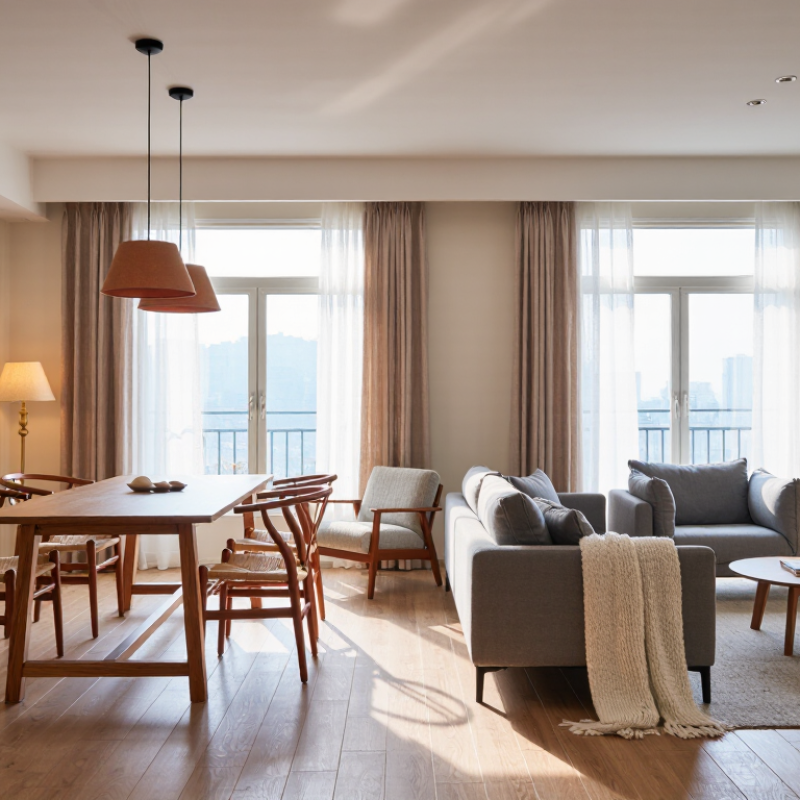
How to Create a Cozy Home with China Top Furniture?

Define a Cozy Home Style and Identify Your Household Needs

A cozy home begins with a style you can describe in plain words: warm, calm, lived-in, or bright. Choose two or three qualities, then use them to guide furniture, colors, and lighting. For example, natural wood, soft beige fabric, and a shaded lamp can make a small sitting area feel settled without crowding it. Comfort is personal. A plush sofa may feel inviting to one household and too deep for another.

Look at how each room is actually used before measuring furniture. Note who sits there, where bags land, and whether children or pets need clear paths. Measure doorways and walking space, not just the wall where a sofa might go. A dining table that seats six sounds useful, but it may leave little room to pull out chairs. That happens more often than people expect.

Choose pieces that fit daily habits and the room’s proportions. If you read in the evening, test whether a chair supports your back and has a lamp nearby. If storage is limited, a bench with a lift-up seat can hold blankets, though its lid may be awkward in a narrow passage. Small compromises matter. I would also leave some empty space; filling every corner can make a home feel less restful, even when each piece is attractive.

Explore China’s Furniture Styles, Materials, and Craftsmanship

China’s furniture tradition is not one fixed style; it ranges from restrained classical forms to compact contemporary designs. Ming-inspired pieces often use open space, slim profiles, and visible joinery. Modern makers may pair those details with linen upholstery or rounded edges. Elm, walnut, bamboo, and rattan each bring distinct grain, weight, and care needs. Feel the edges. A smooth finish matters, but stable legs and drawers that slide evenly matter more. China’s National Bureau of Statistics reported RMB 655.7 billion in furniture-manufacturing revenue for 2023. That figure shows the industry’s scale, not the quality of any individual piece.

For a cozy room, try a walnut side table beside a woven chair, then add a low cabinet for visual balance. Check how the joints meet and whether the finish feels even under your fingertips. China’s National Furniture Association reported furniture exports of about US$55.7 billion in 2023. Export value reflects market reach, not proof of careful craftsmanship. One trade-off is worth noticing: hand-finished surfaces can show slight variations. They may add character, but they do not replace sound construction. Ask about the wood species, finish, and repair options before choosing; those details affect how the furniture ages in daily use.

How to Create a Cozy Home with China Top Furniture?

Explore Chinese furniture styles, materials, and craftsmanship through the typical density of popular furniture woods.

Wood density affects a piece’s weight and feel, but it does not determine quality on its own. Values shown are approximate and can vary by species and moisture content. For a welcoming room, pair warm-toned wood with considered proportions and finely finished joinery inspired by Chinese furniture-making traditions.

Plan Room Layouts, Measurements, and a Realistic Budget

A cozy room begins with clear walking space, not a full shopping cart. Measure each wall, doorway, and stairwell before choosing furniture from China’s top makers. Note radiator positions, window swings, and outlet locations too. A sofa that fits the floor plan may still block a door.

Sketch the room on paper and mark the main paths. Leave about 75 to 90 centimeters for busy walkways, and check the furniture’s listed dimensions against your sketch. For a small living room, try a compact sofa and a narrow side table before adding extra chairs. Keep painter’s tape on the floor overnight. It reveals awkward corners.

Set a realistic budget that includes delivery, assembly, and possible import-related charges. Compare material details, care instructions, and return terms rather than judging by photographs alone. Solid wood can feel sturdy, while veneers may suit a tighter budget; quality depends on construction and use. Keep a small reserve for unexpected costs. Budgets do slip. I would rather leave one corner unfinished than buy a piece that overwhelms the room, though an empty corner can look a little too bare at first.

Choose and Arrange Furniture for Comfort and Visual Balance

How to Create a Cozy Home with China Top Furniture?

Comfort starts with how furniture supports everyday routines. The U.S. Environmental Protection Agency’s indoor-air guidance estimates that people spend about 90% of their time indoors, making a comfortable home worth careful planning. Choose a sofa with supportive seat depth, then test it by sitting back with your feet resting naturally. Pair it with a side table that keeps a reading lamp and mug within reach. Soft textures help, but too many cushions can crowd the seat.

Visual balance is not the same as perfect symmetry. Anchor the room with one substantial piece, such as a sofa, then balance its visual weight with two lighter chairs or a floor lamp. Leave a clear path between the doorway and seating. In a small room, try a compact coffee table with rounded edges; it can feel less imposing and make movement easier. Measure before buying. A beautiful chair can still block a drawer.

Tips: Put the largest pieces in place first. Check sightlines from the doorway, then adjust smaller items. Use warm, layered lighting and a rug that reaches beneath the front legs of the seating. Less clutter. More breathing room. If the arrangement feels slightly off, live with it for a day before moving everything again.

Maintain Your Furniture and Refine the Space Over Time

A cozy home is not finished when the furniture arrives. It grows comfortable through small, steady adjustments. Dust wooden surfaces with a soft, dry cloth, and wipe spills promptly with a barely damp one. Avoid harsh cleaners unless the care instructions approve them. Sunlight can fade finishes, so notice how bright patches move across the room during the day. A curtain may help.

Check chair joints and table legs every few months. Tighten loose fittings gently, without forcing them. For upholstered pieces, vacuum seams where crumbs collect and rotate cushions to spread wear. Follow the maker’s care guidance, since fabrics and finishes respond differently. I once used too much water on a small stain. The mark lifted, but the fabric took longer to dry than expected. A small lesson.

Let the room change as your routines change. Move a reading chair closer to the window, then see whether glare makes it less inviting. Leave a clear path between seating and doors. Add a lamp before buying more décor; warm light can make familiar furniture feel calmer. Not every adjustment works. Live with a new layout for a week, notice what feels awkward, and revise it without rushing.

FAQS

How can I define a cozy home style?

Pick two or three words, such as warm, calm, or bright. Use them to guide colors, furniture, and lighting. Keep it simple.

What should I measure before buying furniture?

Measure doorways and walking paths, not only the wall. Check space for pulled-out chairs, open drawers, and bags near the entrance. I’ve overlooked those details before.

How can I choose seating that feels comfortable?

Try the seat if possible, and check its depth and back support. A plush sofa may feel relaxing to one person and awkward to another. Comfort is personal.

How can I make a small sitting area feel settled?

Pair a compact wooden table with a woven chair and a shaded lamp. Leave room to breathe. Too many pieces can make even a pretty room feel crowded.

Which materials suit a cozy room?

Elm, walnut, bamboo, and rattan each have different grain, weight, and care needs. Match the material to your routine, not just its appearance.

What should I check when assessing furniture construction?

Look for stable legs, even finishes, and drawers that slide smoothly. Feel the edges and inspect how the joints meet. Small details matter.

Are slight variations in a hand-finished surface a concern?

They can add character, but they do not guarantee strong construction. Ask about the wood, finish, and repair options. I still find that balance tricky.

How can I make furniture work for everyday habits?

Place a reading chair near a suitable lamp, or choose a storage bench for blankets. Check that its lid will not block a narrow passage. Not always easy.

Conclusion

Creating a cozy home begins with defining the atmosphere you want and considering how each household member uses the space. Explore the variety of furniture available from China, paying attention to different styles, materials, and levels of craftsmanship. These choices can help you find pieces that suit your preferences, daily routines, and home.

Before buying, measure rooms and pathways, map out a practical layout, and set a realistic budget. Choose furniture that supports comfort and everyday use, then arrange it to create visual balance and easy movement. Thoughtful lighting, textiles, and accessories can further soften the space without making it feel crowded. How To Create A Comfortable Living Space is an ongoing process: care for your furniture according to its materials, notice what works in daily life, and make small adjustments over time to keep your home welcoming and functional.

Amelia

Amelia

Amelia is a seasoned marketing professional with a wealth of expertise in our company’s core offerings. With an unwavering passion for driving growth and innovation, she plays a pivotal role in shaping our marketing strategies and enhancing brand visibility. A key aspect of her responsibilities......