When it comes to interior design, one key question arises: What Are The Differences Between Modern And Classic Furniture? Understanding these differences is crucial for creating harmonious living spaces. Modern furniture, characterized by clean lines and minimalism, focuses on function. It often incorporates materials like metal and plastic. In contrast, classic furniture features ornate designs and traditional craftsmanship, often using wood and leather.
Industry reports indicate a growing trend in preferences toward modern styles, with the global modern furniture market projected to exceed $600 billion by 2025. This growth reflects a shift in consumer values toward simplicity and sustainability. However, classic furniture still holds significant appeal, particularly among those valuing history and craftsmanship.
Selecting between these styles can be challenging. The nuances between modern and classic furniture often involve personal taste and practicality. While modern pieces may appeal for their sleekness, classic items bring warmth and character. Consumers must weigh these factors carefully, acknowledging that each style tells a unique story.
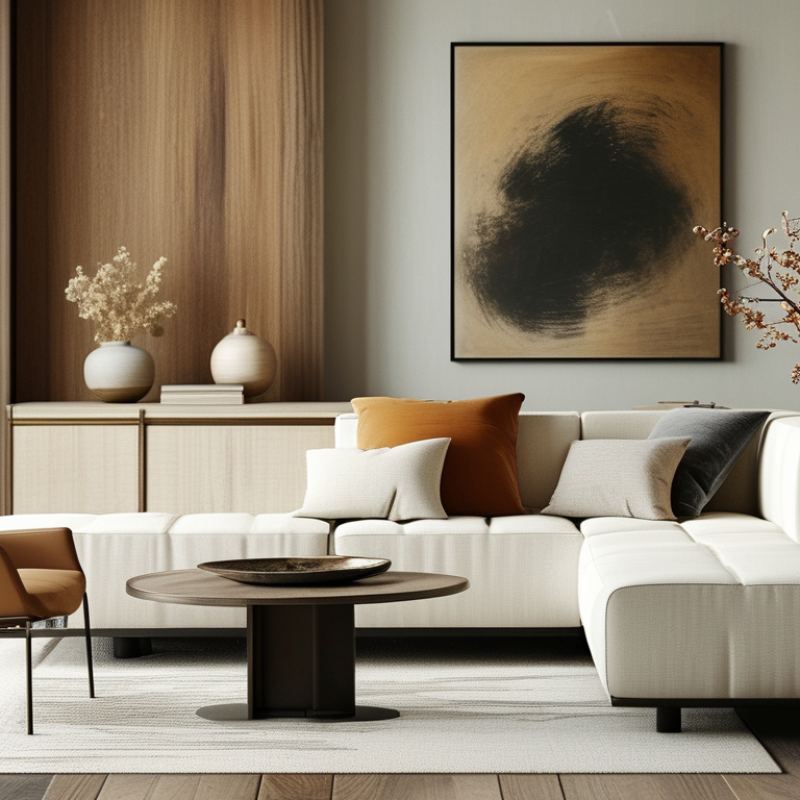
Characteristics of Modern Furniture Design
Modern furniture design reflects simplicity and functionality. Characterized by clean lines and minimalistic forms, this style often emphasizes open spaces. Reports indicate that over 60% of consumers prefer furniture that is both stylish and practical. One defining feature is the use of innovative materials like metal, glass, and molded plastics. These materials accentuate the modernist philosophy of blending aesthetics and utility.
In terms of colors, modern furniture frequently showcases neutral tones or bold, solid colors. This enhances the visual impact while maintaining a harmonious overall look. Lighting also plays a crucial role in modern design, with many pieces incorporating natural light to accentuate their shapes. To elevate your space, consider furniture that challenges traditional norms. Seek designs that inspire conversation.
Tip: When choosing modern furniture, think about its function in your home. Durability is key for long-term enjoyment. Moreover, consider how each piece influences your room's atmosphere. Experiment with arrangements and colors. It’s okay to feel uncertain about choices; this exploration leads to refined taste. Your space should reflect who you are, not just trends.
How to Distinguish Between Modern and Classic Furniture?
This chart illustrates the characteristics scores of modern and classic furniture design. Modern furniture generally scores higher in attributes such as minimalism and functionality, while classic furniture is appreciated for its tradition and craftsmanship.
Key Features of Classic Furniture Styles
Classic furniture is known for its timeless elegance and craftsmanship. One of its key features is intricate detailing. You often see exquisite carvings, inlays, and rich fabrics. These elements tell a story. They highlight the artistry of the period they represent.
Materials also play a significant role. Classic furniture frequently uses solid woods like mahogany and oak. These materials add durability and a sense of history. You can often feel the weight of quality in these pieces. Form and function are equally important. Classic designs prioritize comfort and usability. This is evident in upholstered chairs and deep sofas.
The color palette of classic furniture is typically muted. Earthy tones, deep reds, and navy blues are common. They create a warm, inviting atmosphere. Yet, not every piece maintains its original charm. Over time, fabric may fade. Wood can lose its luster. This wear can prompt reflection on the value of preservation. Balancing this beauty with modern needs can be a challenge. Achieving harmony in decor requires careful thought.
Material and Craftsmanship: A Comparative Analysis
When comparing modern and classic furniture, material and craftsmanship play vital roles. Classic furniture often features solid woods, intricate carvings, and techniques that have been refined over centuries. The charm lies in the rich history and stories behind each piece. For instance, hand-carved details and traditional joinery showcase the artisan's skill and dedication.
On the other hand, modern furniture embraces innovation. It frequently utilizes materials like metal and molded plastics. These materials allow for sleek designs and innovative forms. However, some modern pieces may lack the warmth found in classic styles. While they can be visually stunning, they sometimes feel impersonal or even sterile. Balancing aesthetics with comfort is often a challenge.
Craftsmanship differs significantly between the two styles. Classic furniture often takes months to create due to labor-intensive processes. Each item is made with an eye for detail and quality. Modern furniture, although it can be crafted with precision, sometimes prioritizes speed and efficiency. As a result, its durability can be questionable. In the quest for minimalism, essential craftsmanship aspects may be overlooked, raising concerns about longevity and value.
Historical Contexts Influencing Furniture Design
Furniture design is deeply influenced by historical contexts. The evolution of furniture reflects changing tastes and societal values. For instance, the ornate styles of the Baroque period emphasized luxury and grandeur. In contrast, the minimalist approach of modern design seeks simplicity and functionality. Each piece tells a story of its time, shaped by cultural movements and technological advances.
Tips: When selecting modern or classic furniture, consider the era that resonates with your lifestyle. A classic piece may evoke nostalgia and warmth. Meanwhile, modern designs often offer clean lines and versatility.
As you explore different styles, reflect on how they fit into your space. Do you prefer bold statements or subtle elegance? Keep in mind that what’s fashionable today may feel outdated tomorrow. Select pieces that not only please your eye but also serve your needs. This balance fosters a harmonious living environment.
Color Palettes and Patterns in Modern vs. Classic Furniture
When it comes to distinguishing modern and classic furniture, color palettes and patterns play a significant role. Modern furniture often embraces bold, vibrant colors. According to a 2023 report by the American Home Furnishings Alliance, 62% of consumers prefer lively colors in their contemporary spaces. These colors reflect a sense of individuality and are often paired with geometric patterns. The clean lines of modern designs tend to highlight these vivid hues.
In contrast, classic furniture typically utilizes a more muted color palette. Earthy tones and pastels are common choices. A study from the Furniture Today publication noted that 58% of classic furniture buyers gravitate towards softer shades. The patterns found in classic pieces often include intricate designs, such as florals and damasks. These are detailed, evoking a sense of tradition and history in the interior space. While the elegance of classic patterns can bring warmth, they can sometimes feel overwhelming in smaller spaces.
It's worth noting that a blend of both styles can create a unique aesthetic. Modern colors can clash with classic patterns, leading to visual tension. Designers must navigate these contrasts carefully, ensuring harmony rather than chaos. Awareness of the subtle complexities in coloring and design choices can elevate any space, but it requires a keen eye and an understanding of both styles' principles.
FAQS
: Classic furniture is known for its intricate detailing, craftsmanship, and timeless elegance. Expect exquisite carvings and rich fabrics.
Solid woods like mahogany and oak are typical. These materials add durability and a historical touch to the pieces.
Classic designs focus on comfort and usability. Upholstered chairs and deep sofas exemplify this emphasis on relaxation and functionality.
Classic furniture often features muted colors. Earthy tones, deep reds, and navy blues create a warm and inviting atmosphere.
Fabric may fade, and wood can lose its luster. This wear prompts reflection on the value of preservation.
Modern furniture utilizes materials like metal and molded plastics, embracing innovation and sleek designs, but may feel less warm.
Classic furniture involves labor-intensive processes taking months, while modern items may prioritize speed, affecting quality and durability.
Furniture designs reflect societal values and changing tastes. Each style embodies the cultural movements of its time, expressing its unique story.
Think about your lifestyle and preferences. Classic pieces offer nostalgia, while modern designs provide clean lines and versatility.
Select pieces that please your eye and also meet your needs. Achieving this balance fosters a harmonious living environment.
Conclusion
The article "How to Distinguish Between Modern and Classic Furniture?" explores the key differences in design and aesthetics between these two furniture styles. Modern furniture is characterized by its minimalistic and functional design, often utilizing materials such as metal and glass, with clean lines and a lack of ornamentation. In contrast, classic furniture embodies a sense of tradition and elegance, showcasing intricate craftsmanship with rich wood finishes and elaborate detailing.
Furthermore, the article delves into the historical contexts that have shaped furniture design, highlighting the influence of cultural movements and periods on modern and classic styles. It also discusses the contrasting color palettes and patterns, where modern designs favor neutral and bold colors, while classic styles often incorporate warm tones and intricate patterns. Ultimately, understanding "What Are The Differences Between Modern And Classic Furniture" involves recognizing these distinct characteristics, materials, and historical influences that define each style's unique aesthetic and functionality.

 TYE Home Furnishing