How to Find the Latest Trends in Sustainable Home Furnishing?

Time:2026-05-28 Author:Aria
0%

In recent years, sustainable home furnishing has gained significant traction. The demand for eco-friendly options is rising, driven by environmental awareness. According to a report by Grand View Research, the sustainable furniture market is projected to reach $400 billion by 2027, showcasing a compound annual growth rate of around 10%. This growth reflects a shift in consumer preferences toward sustainability.

What are the latest trends in sustainable home furnishing? Sustainable materials like bamboo, reclaimed wood, and recycled metals are increasingly popular. Consumers are also favoring brands that prioritize eco-conscious practices, such as ethical labor and low-impact production methods. Additionally, minimalistic design philosophies are becoming mainstream, reflecting a desire for less waste and more meaningful consumption.

Yet, the journey toward sustainable living is not without challenges. Many products claiming to be sustainable still use harmful processes. Consumers must navigate greenwashing—a tactic used by some brands to appear more eco-friendly than they are. Understanding true sustainability requires a discerning eye, as not all certifications guarantee accountability. Staying informed is essential to make responsible choices in home furnishings.
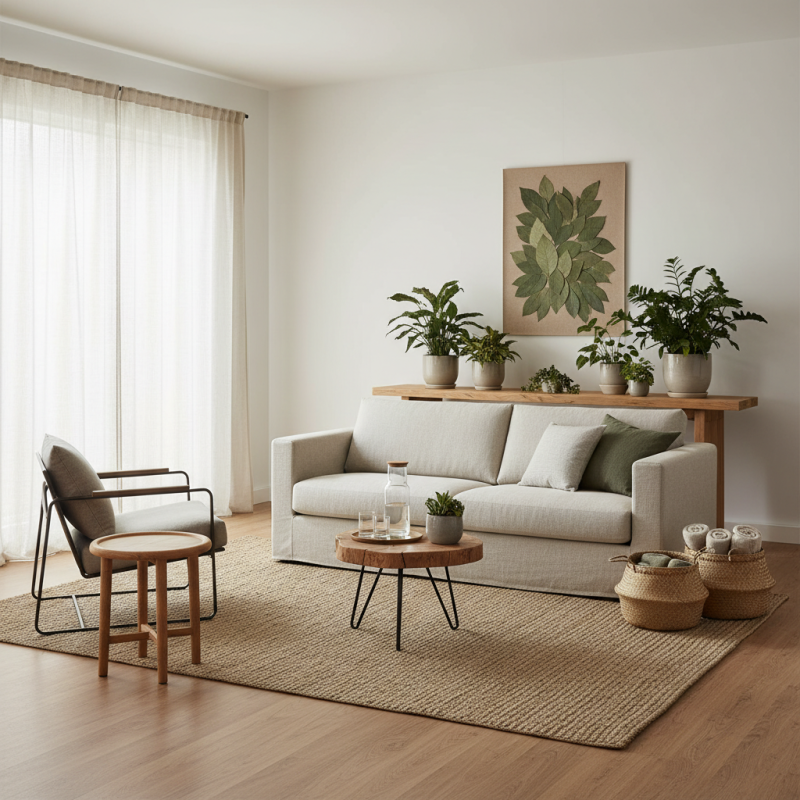
How to Find the Latest Trends in Sustainable Home Furnishing?

Understanding Sustainable Home Furnishing Concepts

Sustainable home furnishing has gained considerable popularity. A recent survey showed that 73% of consumers prefer eco-friendly products. Understanding the concepts around sustainability can help buyers make informed choices.

Materials play a crucial role in sustainability. Eco-friendly options include bamboo, reclaimed wood, and organic textiles. These materials typically have a lower environmental impact. In contrast, synthetic fabrics often contribute to pollution. A report by the Global Sustainability Institute highlights that replacing one ordinary sofa with a sustainable option can reduce carbon emissions by up to 100 kg. This figure sparks reflection on the choices we make at home.

Another aspect is the life cycle of furniture. Furniture that lasts longer reduces waste. The average life span of traditional furniture is around 10 years, while sustainable options can last decades. According to the U.S. Circular Economy report, extending a product's life adds significant value. However, many consumers overlook this factor, favoring style over sustainability. This disconnect invites us to reconsider our purchasing habits.

Key Sources for Researching Sustainable Trends

When researching sustainable home furnishings, exploring diverse sources is essential. Industry reports and sustainability journals offer valuable insights. Online platforms, like blogs and forums, reveal evolving design choices. Engaging with these communities can spark fresh ideas.

Tips: Follow renowned sustainable design blogs. They often share case studies and innovative practices. Check out expert interviews for first-hand perspectives. You’ll gain deeper knowledge from activists and designers committed to eco-friendly living.

Social media is a powerful tool for trend spotting. Platforms like Instagram and Pinterest showcase real-life examples. Search hashtags related to sustainable living to see what others are doing. This approach helps visualize design trends in action.

Staying updated can sometimes be overwhelming. With the rapid shift in sustainable practices, not every idea will be suitable for your space. Embrace the journey of experimenting with materials and styles. It’s okay to refine your choices along the way.

Analyzing Current Market Innovations in Furnishings

In the realm of sustainable home furnishing, innovations abound. This market has seen a significant shift towards eco-friendly materials and practices. Consumers are becoming more conscious of their choices. Designers are responding with creative alternatives that respect the environment. Sustainable resources like bamboo, reclaimed wood, and recycled metals are gaining popularity.

One important trend is upcycling. Many brands transform discarded materials into stylish furniture. This reduction in waste is appealing to eco-conscious buyers. However, the quality of upcycled products can vary. It's crucial to assess the craftsmanship and durability.

When looking for the latest trends, consider attending local design fairs. These events showcase emerging talent and innovative materials. Engaging with designers and artisans can provide valuable insights. Additionally, follow industry publications for up-to-date information. Online platforms and social media are also useful for observing consumer preferences. Remember, embracing sustainable furnishing is a journey, not a destination. Stay curious and open to new ideas, and reflect on your choices regularly.

Assessing Eco-Friendly Materials and Designs

When exploring eco-friendly materials for home furnishings, it's essential to prioritize sustainability. Look for materials like bamboo, hemp, or reclaimed wood. These options are often durable and biodegradable. You might consider textiles made from organic cotton or recycled fabrics. These not only minimize environmental impact but also offer unique aesthetics.

Tips: Always check for certifications. Look for labels that demonstrate commitment to sustainable practices. Research brands to ensure they align with eco-values. Authentic transparency can make a big difference.

It’s also crucial to assess the design. Minimalist and functional designs tend to reduce waste. However, some might consider them too simple or lacking in personality. Combining aesthetics with sustainability can be challenging but rewarding. Balancing your style and eco-friendliness is possible with careful selection.

Tips: Try mixing and matching eco-friendly items with existing décor. This approach can create a unique space while still being conscious of sustainability. Remember, each choice contributes to a larger impact. Reflect on the materials and designs that resonate with your values.

Evaluating Consumer Preferences and Influences on Sustainability

Sustainability in home furnishing is increasingly influenced by consumer preferences. Many consumers today value eco-friendly materials and ethical production. They prioritize furnishings that reflect their commitment to the environment. Organic cotton, bamboo, and reclaimed wood often top their lists. These materials are not only sustainable, but they also offer unique aesthetic qualities.

Despite the interest in sustainability, confusion remains. Many consumers are unsure how to identify truly sustainable products. Labels can be misleading. Some products may claim to be eco-friendly but lack substantial proof. Transparency in sourcing and production processes is crucial. Consumers are becoming more aware of greenwashing tactics and demand authentic practices. This awareness drives brands to improve their sustainability efforts.

Social media plays a key role in shaping consumer habits. Platforms like Instagram and Pinterest showcase the latest trends in sustainable furnishings. Influencers often share their personal choices, which can inspire others. However, it's essential for consumers to research beyond trends. Understanding the life cycle of materials and their impacts is vital. This reflection can lead to more informed and responsible purchasing decisions.

FAQS

: What are key sources for researching sustainable home furnishings?

: Industry reports and sustainability journals provide valuable insights. Blogs and forums reveal evolving design choices.

How can social media assist in spotting sustainable trends?

Platforms like Instagram and Pinterest showcase real-life examples. Search relevant hashtags to see others' sustainable designs.

What is the trend regarding materials in sustainable furnishings?

Eco-friendly materials like bamboo, reclaimed wood, and recycled metals are increasingly popular among designers.

What does upcycling mean in sustainable furniture?

Upcycling transforms discarded materials into stylish furniture. However, quality can vary, requiring careful assessment.

How can I stay updated on sustainable design innovations?

Attend local design fairs and engage with designers. Follow industry publications and observe online consumer preferences.

Is it okay to change my sustainable design choices over time?

Yes, embracing sustainable furnishing is a journey. Experimenting and refining choices is part of the process.

What should I consider when exploring sustainable practices?

Not every idea will suit your space. It’s okay to reflect and make adjustments as you learn.

Why is engaging with communities important?

Communities can spark fresh ideas and offer diverse perspectives on sustainable living and designs.

What challenges might arise in sustainable furnishing research?

The rapid shift in sustainable practices can be overwhelming, making it hard to choose suitable options.

How important is craftsmanship in upcycled furniture?

Craftsmanship significantly affects durability. Assessing quality in upcycled products is essential before purchase.

Conclusion

Sustainable home furnishing is evolving rapidly as consumers become more environmentally conscious. To answer the question, "What Are The Latest Trends In Sustainable Home Furnishing," it is essential to understand the fundamental concepts of sustainability in design and materials. Key sources for researching these trends include eco-focused publications, industry reports, and sustainability-focused organizations that provide insights into innovative products and practices.

Current market innovations emphasize the use of environmentally friendly materials and designs that not only minimize waste but also enhance the aesthetic appeal of homes. Analyzing consumer preferences reveals a growing demand for transparency in sourcing and manufacturing processes, which influences purchasing decisions and promotes sustainability. By keeping abreast of these developments, individuals can create sustainable living spaces that reflect both their values and the latest trends in the industry.

Aria

Aria

Aria is a dedicated marketing professional with a deep passion for innovative strategies and a keen understanding of our company's product offerings. With a wealth of experience in the industry, Aria excels at crafting engaging content that highlights the unique features and benefits of our......