Mastering home interior styling requires a deep understanding of foundational elements. As acclaimed interior designer Emily Henderson once stated, "Home décor is about creating a feeling." Knowing what creates that feeling is key. The question remains: What Are The Essentials Of Home Interior Styling?
To transform your space, start with key essentials. Color palettes influence mood and perception. Choosing the right hues can amplify the room's energy. Textures add depth and interest, inviting touch and engagement. Furniture arrangement plays a crucial role in functionality and flow. Consider how each piece interacts with others.
Accessibility in design is vital, yet often overlooked. Not every element needs to be perfect; embracing imperfections can bring character. A well-styled home tells a story, reflecting personal taste and experiences. As you explore home styling, remember that the essence lies in what resonates with you.
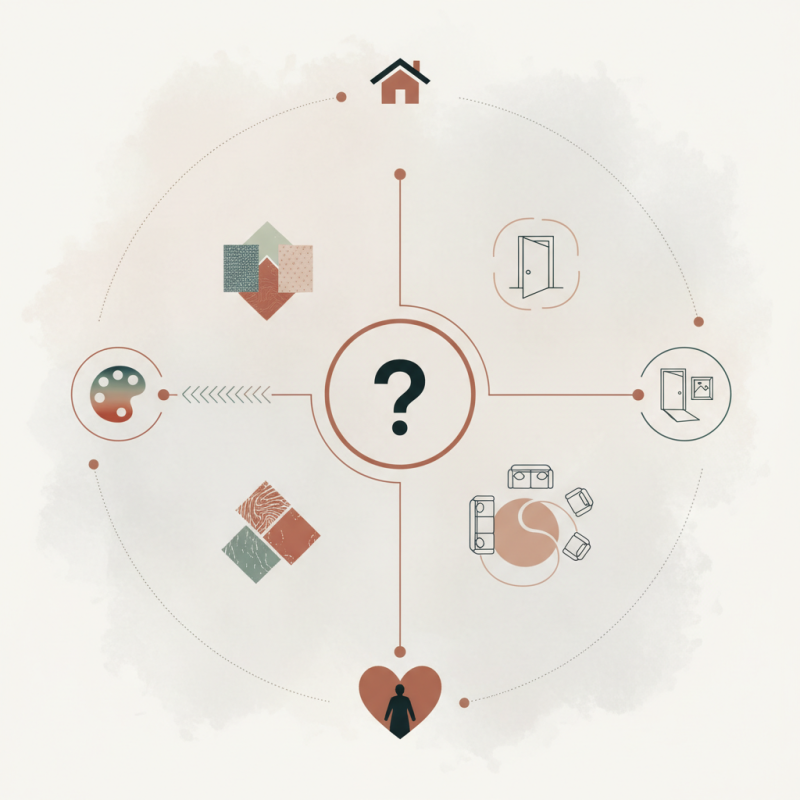
Creating a beautiful and functional home relies on understanding interior styling fundamentals. Start with your space's size and layout. Consider natural light and how it flows through the rooms. Light colors can open up a space, while dark shades create intimacy. Choose a cohesive color palette that reflects your personality. This is your chance to express yourself, so trust your instincts.
Balance is another key element in styling. Mix different textures and materials to add depth. Pair soft fabrics with harder surfaces like wood or metal. Layering elements often leads to a more sophisticated look. Don’t be afraid to experiment, but keep an eye on proportion. Items that are too large can overwhelm a room.
Decide on a focal point in each area. This could be a piece of artwork, a stunning piece of furniture, or a beautiful plant. However, remember that less can be more. Clutter can diminish the impact of your favorite objects. Periodically reassess your arrangements and be open to change. Mastering these basics requires practice and reflection.
: Color theory influences mood and perception. It can transform a room by creating energy or calmness.
Warm colors like red and yellow create energy. However, too much warmth may overwhelm the room.
Cool colors such as blue and green create calmness. They are ideal for relaxation areas but can feel cold if overused.
Mixing colors thoughtfully enhances harmony. Contrasting colors can create vibrant accents without making a palette chaotic.
Lighting changes how colors appear. Natural light can vary shades, so testing colors before committing is wise.
Use layered lighting. Combine ambient, task, and accent lighting for a balanced and inviting atmosphere.
Consider pendant lights for dining tables. Sconces can highlight artwork, adding depth and focus to the space.
Soft white bulbs create coziness. Daylight bulbs can energize the space. Experiment to see what works best.
Avoid harsh fluorescent lights, as they can create unflattering shadows and impact the overall design negatively.
Evaluate your choices continually. Be willing to make adjustments as you learn what enhances your home best.
Mastering home interior styling involves understanding several key principles that enhance the aesthetics and functionality of living spaces. Firstly, "What Are The Essentials Of Home Interior Styling" focuses on grasping the fundamentals of interior design, including the importance of color theory. By selecting a cohesive color palette, homeowners can evoke certain moods and harmonize their spaces. Additionally, incorporating texture through various materials can create depth and visual interest, making the environment feel more inviting.
Essential furniture arrangements play a crucial role in maximizing both space and functionality. Thoughtful positioning not only improves flow but also elevates the overall design. Furthermore, effective lighting techniques can dramatically transform interiors, highlighting key features and enhancing ambiance. By mastering these elements, individuals can create beautifully styled homes that reflect their personal tastes and meet their practical needs.

 TYE Home Furnishing