Mixing different home furnishing styles is an art that can transform your living space into a unique expression of your personality. According to renowned interior designer Sarah Richardson, "The beauty of home design is in its imperfections." This thought encapsulates the essence of how to mix and match home furnishing styles. Embrace the idea that not every piece has to perfectly align; instead, focus on how they coexist in harmony.
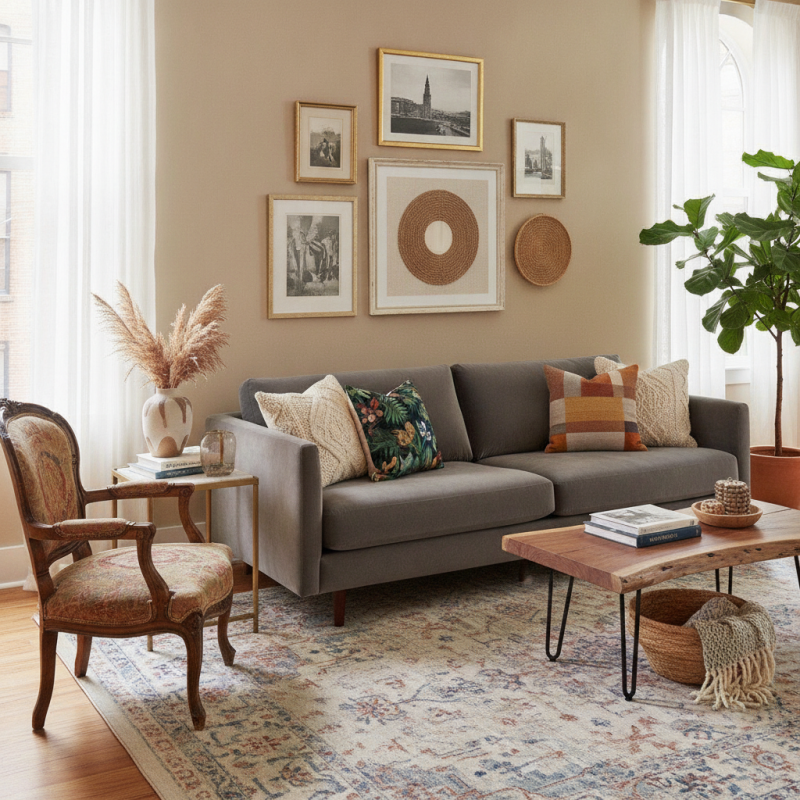
When exploring how to mix and match home furnishing styles, consider various textures and colors. Layering soft fabrics with bold patterns can create visual interest. Additionally, incorporating elements from different eras adds character. A vintage chair can beautifully contrast with a modern sofa, showcasing your diverse tastes. Taking risks is part of creating a memorable space, even if it leads to moments of reflection on what works or doesn’t.
Every decision shapes your environment. Experimenting with styles invites growth and the chance to refine your choices. As you navigate this journey, remember to question your selections. Are they truly reflecting your style? Ultimately, finding your balance is key to successfully mixing and matching home furnishings in a way that feels authentically you.
Understanding Different Home Furnishing Styles
Understanding different home furnishing styles is essential for creating a cohesive space. Trend reports indicate that around 67% of homeowners mix styles to enhance their personal touch. This blending can result in unique aesthetics, but navigating various styles requires some understanding of their core elements.
Traditional styles often emphasize rich fabrics and classic patterns. In contrast, modern styles focus on minimalism and functionality. According to a recent survey, nearly 75% of designers prefer incorporating vintage elements into modern spaces to add warmth. Mixing rustic decor with contemporary pieces can create balance. For example, a sleek metal table paired with a reclaimed wood bench may harmonize rather than clash.
However, blending styles can be challenging. It is vital to ensure that elements connect through color or texture. A misstep could lead to chaos rather than synergy. For instance, when layering contemporary art over period furniture, consider the relationship between the two. Sometimes, experimentation doesn't yield perfect results. Embrace trial and error to find what resonates with you, keeping in mind that personal style often evolves over time.
Choosing a Color Palette to Harmonize Styles
Selecting a color palette is crucial when mixing home furnishing styles. A well-chosen palette can create harmony among various elements.
According to a report from the Color Marketing Group, nearly 80% of interior designers believe that color is key to achieving cohesion in a room.
Creating a balanced mix means understanding color theory. Consider a triadic color scheme, which involves three colors spaced equally on the color wheel. This method introduces contrast and vibrancy, yet maintains coherence. For example, pairing navy blue with mustard yellow and soft pink can evoke a lively atmosphere. It’s essential to ensure that not all elements compete for attention.
However, it’s easy to overwhelm a space with bold colors. Industry experts suggest limiting the number of dominant colors to two or three. Too many focal points can lead to visual chaos. Reflecting on this, ask yourself: Does this color enhance or clash with my existing style? When in doubt, neutral tones can serve as a calming backdrop, allowing colorful accents to shine without dominating the room.
Mixing Textures and Patterns for Visual Interest
Mixing textures and patterns in home furnishing can transform your space. A well-balanced approach adds depth and interest. According to a recent survey by the American Society of Interior Designers, 74% of homeowners appreciate unique designs that reflect their personality. However, achieving this can be tricky.
Textiles play a significant role in creating visual interest. Combining fabrics like velvet, linen, and cotton can produce a warm, inviting atmosphere. For instance, pairing a plush velvet sofa with a sleek leather armchair can create contrast. Complementing patterns, such as geometric rugs with floral throw pillows, often works well. Yet, balance is essential. Too many patterns can create chaos rather than harmony, leaving a space feeling cluttered rather than curated.
Incorporating natural materials can ground your design. Wooden elements alongside metal accents can add layers of texture and modern spirit. According to a recent report from the Interior Design Society, spaces with varied textures increase overall satisfaction by 30% among homeowners. Remember, it’s fine to step outside conventional norms. It may require some trial and error. Experimentation allows you to discover what resonates with you, transforming challenges into learning experiences.
Incorporating Statement Pieces to Bridge Styles
Incorporating statement pieces is crucial when mixing and matching home furnishing styles. A bold artwork or an oversized sculpture can serve as a focal point, blending various styles seamlessly. According to the American Home Furnishings Alliance, over 65% of consumers value unique pieces that reflect their personal style. When placed strategically, a statement piece draws the eye and unifies the room, regardless of contrasting styles at play.
To enhance the overall aesthetic, consider the material of each statement piece. Textures such as wood, metal, or fabric can create a visual dialogue among different elements. A plush velvet chair can harmonize with a sleek glass table, providing both contrast and cohesion. Furthermore, the National Association of Home Builders reports that about 70% of homeowners prefer a mix of contemporary and traditional designs. This trend highlights the importance of selecting statement pieces that resonate across various styles while allowing room for personal expression.
Nevertheless, it's essential to reflect on balance. An overly dominant statement piece may overshadow other furnishings. Regularly reassessing the layout and the relationship between pieces can help maintain equilibrium. This self-reflection fosters a space that feels authentic, nurturing a blend that showcases both individuality and style continuity.
Creating Balance with Furniture Arrangement Techniques
Creating a balanced furniture arrangement requires thoughtful consideration and design principles. According to a recent study by the American Society of Interior Designers, nearly 75% of homeowners seek cohesive styles in their living spaces. Balance can be achieved through color, texture, and spatial arrangement. For instance, pairing a modern sofa with antique side tables can create a dynamic yet harmonious effect.
One technique involves the use of focal points. Establish a central piece, like a bold artwork, then arrange furniture around it. Arrange seating close enough to foster conversation. This approach not only enhances functionality but also establishes visual harmony. The same study revealed that homes with effective furniture arrangement tend to have a higher perceived value and better emotional response from occupants.
In terms of scale, mixing large and small items can lead to intentional contrast. For instance, a towering bookshelf next to a low-profile coffee table can draw the eye and add depth. However, overloading a space can disrupt balance. It’s crucial to step back and assess if the arrangement allows for flow and comfort. Creating balance is a continuous process that evolves with your personal style.
FAQS
: Understanding core elements of each style helps create a cohesive space.
Homeowners often combine traditional, modern, and rustic styles to add a personal touch.
They serve as focal points, uniting various styles while highlighting personal expression.
Textures like wood, metal, and fabric create visual connections among decor elements.
An unbalanced space can feel chaotic; regular reassessments help maintain harmony.
Yes, experimentation may not always yield perfect results; embrace trial and error.
Connecting through color or texture prevents clashes and fosters synergy.
About 70% of homeowners prefer a blend of these styles in their spaces.
Personal style often evolves; adapting decor helps reflect individual growth and preferences.
Dominance of one piece can overshadow others, disrupting the intended balance.
Conclusion
In "How To Mix And Match Home Furnishing Styles," the article provides valuable insights for creating a harmonious and visually appealing living space. It begins by emphasizing the importance of understanding various home furnishing styles, encouraging readers to familiarize themselves with different aesthetics. Next, it highlights the significance of selecting a cohesive color palette that can harmonize diverse styles, ensuring that the space feels unified.
The article then delves into mixing textures and patterns to add visual interest, as well as the strategic incorporation of statement pieces that can serve as a bridge between different styles. Finally, it discusses furniture arrangement techniques that help create balance, making the space feel inviting and well-organized. By following these tips, individuals can effectively blend different furnishing styles to enhance the beauty and functionality of their homes.

 TYE Home Furnishing