In the quest to create functional and stylish living spaces, homeowners increasingly seek effective strategies. Reports indicate that nearly 70% of urban dwellers feel overwhelmed by clutter. As urban populations grow, understanding how to optimize space in modern homes becomes crucial.
Space optimization can transform even the smallest apartments into efficient havens. Studies show that utilizing multi-functional furniture increases utility by up to 30%. Creative storage solutions can offer new perspectives on previously underused areas of the home. But, it often requires a thoughtful approach to achieve perfection amidst imperfection.
Many encounter challenges in their design journey. Compromising aesthetics for functionality may lead to feelings of frustration. Reflecting on personal needs and adapting them to available space can lead to greater satisfaction. Embracing a balance between minimalism and comfort is key. The path to a more organized home starts with understanding what truly matters in your space.
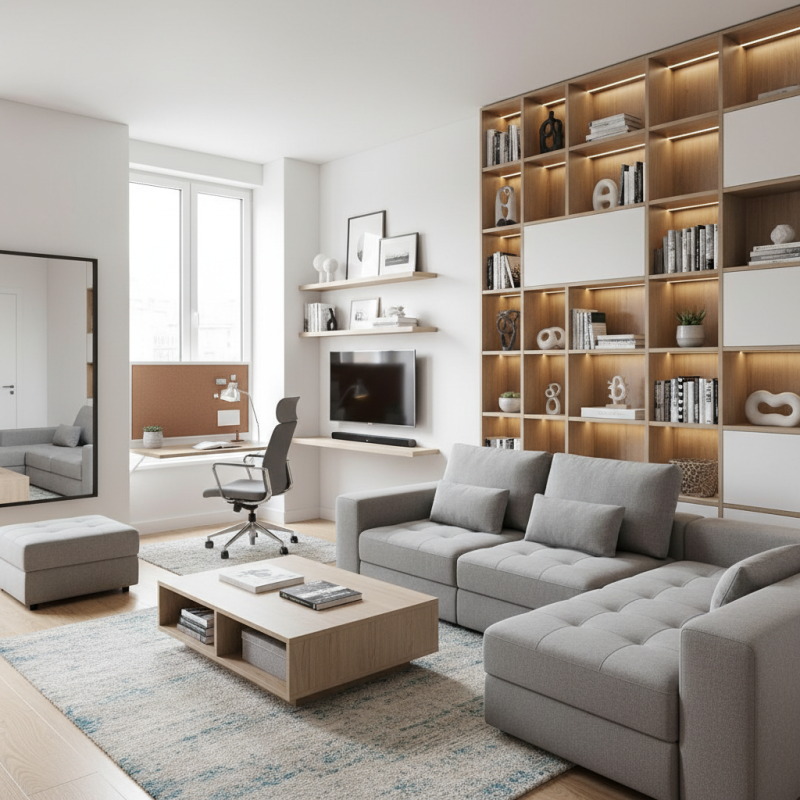
Optimizing modern home space requires understanding key principles. Start by assessing your available space. Identify areas that feel cramped or cluttered. Use multi-functional furniture to create versatility. Items like sofa beds or extendable tables save space and enhance utility.
Next, consider color palettes and lighting. Lighter colors can open up areas and make rooms feel larger. Good lighting, both natural and artificial, also plays a crucial role. Try using mirrors to reflect light. This creates an illusion of depth and brightness.
Don't forget the importance of balance. Too much furniture can overwhelm a room. Leave open spaces to help create a flow. Embrace minimalism, but avoid sterility. A personal touch, like artwork or plants, maintains warmth. Reflecting on these principles can lead to a more harmonious living environment.
When optimizing your home space, assessing it thoroughly is key. Look closely at each room.
What feels overcrowded?
Which areas don’t reflect your style? Consider the function of your spaces.
Do they serve your daily needs effectively?
Sometimes, a room meant for relaxation becomes a cluttered storage area.
Recognizing these discrepancies is the first step.
Next, focus on areas that seem neglected.
Is there a corner that could benefit from better lighting?
Or perhaps a wall that needs artwork to breathe life?
It’s essential to be honest. Not every nook of your home will spark joy or function optimally.
Evaluate stark contrasts: a well-used kitchen versus a seldom-visited guest room.
Identifying these areas creates a roadmap for improvement,
guiding your design choices and ensuring every corner contributes positively to your living environment.
Creating a functional and aesthetic home space requires a careful blend of design elements. A study by the American Institute of Architects found that well-designed spaces can boost productivity by 20%. This means that optimizing your home environment can directly enhance your daily life.
Focus on natural light. It improves mood and supports health. Use light-colored curtains or blinds to maximize sunlight while maintaining privacy. Selecting furniture with clean lines can also help in creating more open spaces, providing a feeling of calm. Remember, clutter can lead to stress. Organizing your space can elevate its functionality and aesthetic appeal.
Tip: Incorporate smart storage solutions. Use multi-functional furniture, like ottomans with hidden compartments.
Consider the psychology of colors too. Calming shades like blues and greens can create a serene atmosphere. However, too much white can feel sterile. Experiment with textures and materials to add warmth. Reflect on whether your space feels inviting or isolating. Balancing aesthetics with functionality often reveals areas needing improvement.
Tip: Regularly assess your space’s flow. Is it easy to navigate? If not, minor adjustments can significantly enhance its efficiency.
Incorporating multi-functional furniture is key to optimizing modern home spaces. A recent report shows that 85% of homeowners feel that versatile furniture makes their living areas more functional. With urban living trends pushing for smaller spaces, the need for innovative design has never been greater.
Consider a sofa bed. These pieces transform from seating to sleeping space in seconds. They cater to guests, and many designs look stylish. However, not all sofa beds offer the same level of comfort. Many products compromise sleep quality for aesthetics, which can lead to dissatisfaction. Research reveals that 60% of users prioritize comfort over style when selecting such items.
Storage ottomans are another excellent example. They provide additional seating and a place to store items, maximizing space efficiency. Yet, poorly designed models can limit accessibility. Studies show that 40% of consumers find it challenging to reach stored items in typical storage solutions. Selecting the right multi-functional items requires careful consideration of both function and ease of use, which can be a balancing act for many homeowners.
Effective storage and layout management can transform any modern home. A survey by the American Institute of Architects indicates that 75% of homeowners struggle with clutter. Prioritizing space can alleviate this issue. Compact furniture that serves multiple purposes can create a sense of spaciousness. For example, a coffee table that doubles as a storage unit reduces mess and maximizes usability.
Utilizing vertical space is crucial. Shelves and wall-mounted units draw the eye upward, which can make a room appear larger. According to the National Association of Home Builders, homes with optimized layouts often sell for 10% more. However, many people overlook the importance of flow. Each area should invite movement without obstruction. An open floor plan can sometimes feel chaotic. Zoning areas with rugs or furniture arrangements may enhance function and harmony.
Another aspect to consider is personal touch. Many people fall into the trap of mimicking popular trends but neglect what truly resonates with them. Personal elements must blend into the modern aesthetic. Displaying cherished items on shelves can make a home feel lived-in but cluttered if overdone. Finding a balance is essential. Your space should reflect your lifestyle, even if it means deviating from conventional design principles.
: Examine each room for overcrowding and style mismatches. Identify areas that don't serve your daily needs.
Improve lighting or add artwork to boost visual appeal. Be honest about areas that lack joy or function.
Utilize natural light with light-colored curtains. Organized spaces can significantly improve both function and mood.
Opt for multi-functional furniture, like ottomans with hidden compartments. This reduces clutter and maximizes usability.
Colors like blues and greens create calmness, while too much white may feel sterile. Experiment to find balance.
An effective layout can alleviate clutter issues and improve the overall flow of movement in your home.
Utilize vertical storage like shelves. This draws the eye upward, creating an illusion of spaciousness.
Personal elements should reflect your lifestyle. However, avoid cluttering spaces, as this can diminish their appeal.
Regularly assess the flow of your rooms. Minor adjustments can enhance efficiency and create a more welcoming environment.
Yes, it's essential to ensure your space reflects your style rather than just following current trends. Finding balance is crucial.
In "Optimize Your Modern Home Space Like a Pro How To Guide," the article delves into effective strategies for enhancing your living environment. To effectively understand how to optimize space in modern homes, it begins by outlining the fundamental principles of modern home optimization, emphasizing the need to assess existing spaces to pinpoint areas needing improvement.
The guide highlights key elements that merge both functional and aesthetic design, ensuring that beauty does not compromise utility. Incorporating multi-functional furniture solutions is also discussed, providing innovative ways to maximize space without sacrificing style. Lastly, practical tips for effective storage and layout management are provided, enabling homeowners to create a harmonious and efficient living space that reflects contemporary design trends.

TYE Home Furnishing