Creating a comfortable home environment is essential for overall well-being. According to the American Institute of Stress, a cozy space can reduce stress and improve mental health. Many homeowners seek efficient methods to enhance their living conditions without major renovations. How to improve home comfort with simple upgrades can offer tangible benefits.
Experts recommend several straightforward changes that yield significant results. For instance, upgrading lighting to LED can save up to 75% in energy costs. Blocking drafts with weatherstripping not only keeps homes warmer but also reduces energy bills. Small investments in comfort can lead to a noticeable improvement in daily life.
Yet, these upgrades often go unnoticed or are underestimated. Some homeowners may overlook the impact of indoor air quality. Simple actions, like adding houseplants, can purify air and enhance mood. Ultimately, refining your home comfort is within reach. Embracing these changes can foster a more pleasant living environment.
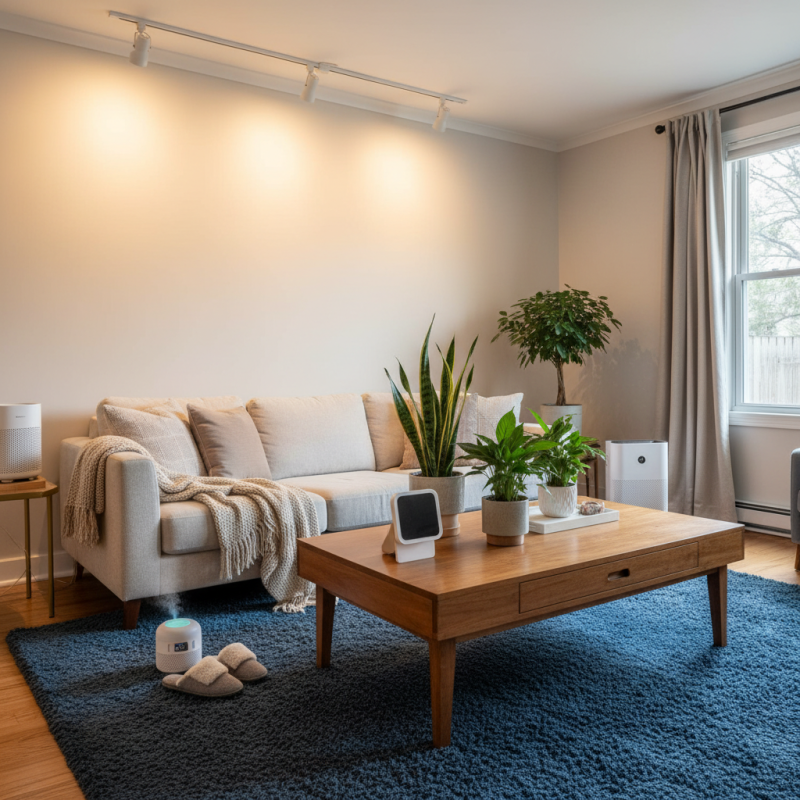
Indoor air quality is critical for overall comfort and health. Poor ventilation can lead to elevated levels of pollutants. A study from the Environmental Protection Agency (EPA) indicates that indoor air can be 2 to 5 times more polluted than outdoor air. This highlights the need for effective ventilation and filtration systems.
Proper ventilation allows fresh air to circulate while expelling stale air. It helps reduce allergens, mold, and volatile organic compounds (VOCs). According to the American Lung Association, improving ventilation can reduce exposure to these harmful substances. However, many homes lack adequate airflow. In such cases, upgrading to a mechanical ventilation system can make a significant difference.
Filtration systems also play a vital role. High-efficiency particulate air (HEPA) filters can trap 99.97% of particles. They help remove dust, pollen, and smoke from indoor air. Yet, not all filters perform equally. Regular maintenance is crucial to ensure effectiveness. Neglecting filter changes can lead to a buildup of contaminants, making the air quality worse. Investing in better systems can enhance comfort and health significantly.
Upgrading to a smart thermostat can significantly enhance your home’s energy efficiency. These devices learn your schedule and adjust the temperature accordingly. This means less wasted energy when you are not home. In fact, studies show that smart thermostats can save homeowners up to 10–15% on heating and cooling costs. Imagine the impact on your utility bill.
Smart thermostats often offer remote access through mobile apps. You can adjust the temperature from anywhere. This feature is perfect for those unforeseen changes in plans. Additionally, many smart thermostats provide energy usage reports. Understanding your energy consumption habits can promote more conscious adjustments.
However, transitioning to a smart thermostat isn't always seamless. Some users might face installation challenges or compatibility issues with their existing systems. It’s essential to consider this before making the switch. Also, while monitoring energy usage is beneficial, it can lead to over-optimization, resulting in discomfort during extreme weather. Balancing comfort and efficiency is crucial.
Proper insulation is vital for maintaining home comfort. It minimizes heat loss in winter and keeps the home cool in summer. According to the U.S. Department of Energy, improper insulation can account for 30% of energy use in homes. This statistic is a reminder that investing in quality insulation materials can significantly lower energy bills.
When it comes to materials, fiberglass batts are a popular choice. They are cost-effective and easy to install. However, they require careful placement to avoid gaps. Cellulose and spray foam insulation provide superior air sealing but can be more challenging to implement. According to a report by the EPA, homes insulated with spray foam can save 50% on heating and cooling costs. Yet, the higher installation cost and potential for moisture issues can be a drawback.
Reflective insulation is another option worth considering. It works well in hot climates by reflecting heat away. Yet, some homeowners overlook it due to installation complexity. Insulation upgrades can also lead to improved indoor air quality, but achieving this requires diligent maintenance. Regular checks for moisture and pests are essential to ensure longevity and effectiveness.
Lighting plays a crucial role in home comfort. Choosing the right lighting solutions can transform a space. LED lights are a popular choice among homeowners. They offer improvements in both comfort and energy savings.
According to the U.S. Department of Energy, LED lights use at least 75% less energy than traditional incandescent bulbs. This reduction significantly lowers electricity bills. Moreover, LEDs last up to 25 times longer than incandescent options. However, many people still overlook the importance of color temperature in lighting. Warm white light (around 2700K) provides a cozier atmosphere. This type of lighting is beneficial for living rooms and bedrooms.
Not everyone fully understands these benefits. Some may choose LEDs for their longevity, yet ignore their warmth. For example, new research shows that proper lighting can enhance mood and productivity. About 60% of people report feeling happier in well-lit spaces. Ensuring balanced lighting, such as combining ambient and task lighting, can influence daily life positively. Making thoughtful choices in lighting can reflect a homeowner's taste and care for comfort.
Cozy hydronic heating systems offer an efficient way to improve home comfort. These systems use water to transfer heat, providing a consistent and gentle warmth. According to the U.S. Department of Energy, radiant heating can be about 25-30% more efficient than traditional forced-air systems. This efficiency can lead to substantial savings on energy bills over time.
Installing radiant heat increases comfort by eliminating cold spots in rooms. The heat rises evenly from the floor, creating a warm, inviting atmosphere. A survey by the American Council for an Energy-Efficient Economy noted that homeowners experienced greater satisfaction with indoor climate after switching to hydronic heating. However, the installation costs can be high, and retrofitting an existing home requires careful planning.
Understanding the long-term benefits and costs is crucial. Radiant systems can last for decades with proper maintenance. However, if not installed correctly, they may lead to uneven heating or higher energy costs. Regular maintenance checks can help identify issues early. Being aware of these factors is vital for making an informed decision.
| Upgrade | Advantages | Estimated Cost ($) | Comfort Improvement (%) |
|---|---|---|---|
| Hydronic Heating | Even heat distribution, energy efficiency | 3,000 - 10,000 | 40% |
| Programmable Thermostat | Better energy usage, enhanced comfort control | 100 - 300 | 20% |
| Insulation Upgrade | Draft prevention, lower heating costs | 1,000 - 5,000 | 30% |
| Smart Lighting | Improved ambiance, energy savings | 200 - 600 | 15% |
| Air Purifier | Healthier air quality, allergy relief | 100 - 500 | 25% |
| Window Treatments | Light control, insulation benefits | 50 - 500 | 10% |
| Radiant Floor Heating | Luxurious comfort, energy efficient | 5,000 - 15,000 | 50% |
| Ceiling Fans | Improves circulation, cost-effective cooling | 100 - 400 | 15% |
| Upgrade HVAC System | Enhanced efficiency, better air quality | 3,000 - 8,000 | 40% |
| Sealing Cracks & Gaps | Energy saving, improved comfort | 50 - 200 | 20% |
: Indoor air quality affects comfort and health significantly. Poor air quality can lead to health issues.
Proper ventilation circulates fresh air and removes stale air. It reduces harmful pollutants like allergens and VOCs.
Ventilation systems help maintain air freshness. Many homes, however, lack adequate airflow, which can be problematic.
HEPA filters can trap 99.97% of airborne particles. They effectively filter dust, pollen, and smoke.
Neglecting filters leads to contaminants buildup. This can worsen air quality and reduce system effectiveness.
Proper insulation reduces heat loss and gain. Fiberglass, cellulose, and spray foam are common materials.
Spray foam can save up to 50% on energy costs. However, installation can be costly and complex.
Reflective insulation reflects heat in hot climates. Many ignore it due to the difficulty of installation.
It's essential to monitor for moisture and pests. This helps ensure insulation longevity and effectiveness.
Yes, proper insulation can enhance air quality. Regular maintenance is necessary to achieve this improvement.
Improving home comfort can be achieved with simple upgrades that prioritize both functionality and efficiency. One effective approach is assessing indoor air quality, which emphasizes the importance of proper ventilation and filtration systems to ensure a healthy living environment. Additionally, upgrading to smart thermostats can significantly enhance energy efficiency, enabling homeowners to maintain comfortable temperatures while reducing utility bills.
Further enhancements can be made by focusing on insulation, using key materials that minimize heat loss in winter and heat gain in summer. Transitioning to LED lighting solutions not only improves the ambiance but also contributes to long-term savings. Lastly, incorporating cozy hydronic heating systems offers the advantage of radiant heat, providing consistent warmth throughout the home. By understanding these strategies, homeowners can effectively learn "How To Improve Home Comfort With Simple Upgrades" that elevate both comfort and efficiency.

TYE Home Furnishing