Why Improve Storage Efficiency At Home? A well-organized home is not only more attractive. It can also reduce daily stress, protect valuable belongings, and make cleaning easier. When every item has a practical place, you spend less time searching through crowded drawers or moving boxes from one corner to another. Small improvements can create noticeable changes. A clear kitchen counter gives you more space to prepare meals. A labeled entryway basket keeps keys, mail, and reusable bags together. These details matter.
Learning How To Improve Storage Efficiency At Home requires more than buying attractive containers. It begins with observing how your household actually uses each room. Professional organizers often recommend removing unused items before adding storage furniture. This prevents clutter from becoming better hidden clutter. Measure shelves, check weight limits, and keep frequently used objects within easy reach. Store heavier items on lower levels, especially where children or older adults may be present. Simple habits help too, such as returning tools after use and reviewing seasonal belongings twice a year.
Still, no storage system works perfectly. A carefully planned closet may become disorganized during a busy week. That is normal. The goal is not an untouched showroom. It is a safer, calmer, and more functional home that can recover quickly. With realistic planning, reliable materials, and regular adjustment, storage efficiency becomes an ongoing household practice rather than a one-time project.
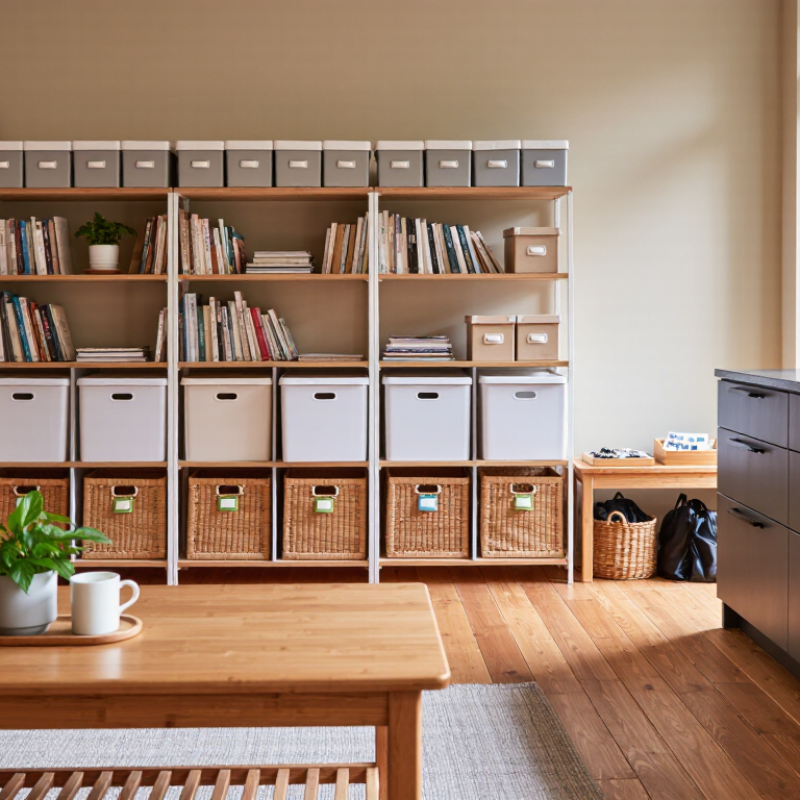
Home storage efficiency means using available space with less waste, effort, and confusion. It is not simply owning more containers. It means knowing what belongs where, how often it is used, and who needs access. In my kitchen, placing daily cups near the sink reduced repeated reaching and small spills. A narrow drawer beside the entrance now holds keys, mail, and reusable bags. It saves minutes. More importantly, it prevents visual clutter. Good storage supports ordinary routines instead of demanding a perfect system. Some homes need open shelves, while others need closed cabinets because dust, children, or pets affect practical choices.
A reliable approach begins with observation. Track items left on tables or floors for one week. Their locations may reveal a missing storage point. Measure cabinet depth, doorway clearance, and walking space before buying anything. Storage that blocks a drawer is not efficient. Safety matters too. Heavy objects should stay low, while frequently used items should remain easy to reach. Clear labels can help families share one system, especially when members have different habits. Professional organizers often assess access, frequency, and maintenance, not appearance alone. That distinction is useful.
Efficiency also includes time and energy. If returning an object takes three steps, people may abandon the system. A basket beside the stairs can collect items moving between floors. A small tray can hold loose cables without hiding them completely. I still misjudge storage sometimes. One tall shelf looked useful, yet became a place for forgotten boxes. Reviewing the space monthly helps expose these mistakes. The best arrangement may change with a new job, a child’s growth, or a seasonal routine.
Inefficient storage often begins with poor planning, not a lack of cabinets. Many households place frequently used items in hard-to-reach spaces. This creates daily clutter on counters, chairs, and floors. The pattern repeats. In my own kitchen, I stored pans too far from the cooking area. I used the counter as a temporary shelf, then forgot to clear it.
Another common cause is keeping too many duplicates. Extra bottles, seasonal clothing, and rarely used tools can quietly consume valuable space. Unclear categories make the problem worse. When cables, documents, or cleaning supplies lack defined locations, searching becomes a routine task. Measuring shelves before buying containers also matters. A box that wastes five centimeters can prevent another item from fitting.
Storage can also fail because of poor visibility. Deep drawers hide small objects, while tall stacks make lower items difficult to access. Dust and moisture may damage items stored without protection. Professional organizers often recommend grouping items by function, frequency, and size. That approach is practical, but not perfect. I sometimes organize a space beautifully and still ignore how my family actually uses it. Real habits should guide the layout. A simple test helps: track which items remain untouched for several months. Their location, quantity, or purpose may need honest reconsideration.
Improving storage efficiency is easier to judge when daily changes become measurable. I began with one crowded kitchen cabinet and recorded its condition for seven days. Items were difficult to see, and finding one saucepan took nearly two minutes. My first estimate was wrong. I had blamed the cabinet size, but unused vertical space caused much of the problem.
After rearranging the cabinet, I measured retrieval time again. The same saucepan took about twenty-five seconds to find. I also counted duplicate purchases, expired food, and weekly cleaning time. Duplicate purchases fell from three items in one month to one. Cleaning became shorter, although only by six minutes each week. Small gains still matter when they happen repeatedly.
A simple tracking sheet improves reliability. Record the number of stored items, usable shelf space, search time, and discarded goods. Measure under similar conditions, preferably at the same time each week. Photographs can support the numbers, but they do not replace them. My records also showed an unexpected problem: I moved some clutter into a nearby drawer. The room looked better, but storage efficiency had not truly improved. A second review helped separate visible order from useful capacity. Cost matters too, so include containers, installation materials, and maintenance time. Not every improvement saves money immediately. Some create easier access, safer movement, and fewer interruptions during ordinary routines.
Efficient storage starts with daily habits, not expensive furniture. The U.S. Environmental Protection Agency reported 292.4 million tons of municipal solid waste in 2018, or 4.9 pounds per person daily. Better visibility can prevent duplicate purchases and reduce forgotten household supplies. A clear home also saves time, although my own system still fails when items lack a fixed return point.
Study each room for movement, frequency, and risk of clutter. Store cooking tools near preparation areas, towels near bathrooms, and seasonal items higher up. Use transparent containers for small supplies, but label only what you may forget. The 2024 National Association of Home Builders’ buyer-preference report identified laundry rooms and pantries as highly desired home features. This suggests that practical storage supports everyday routines, not merely appearance. Measure twice. I sometimes choose attractive containers first, then discover they waste valuable depth.
Tips: Keep daily items between waist and eye level. Leave a small empty zone in every cabinet. Group batteries, cables, and tools separately. Review one drawer each week. If an item has no recent use, question its place before buying another organizer. Avoid filling every shelf; breathing space makes missing items easier to notice.
Why Improve Storage Efficiency At Home?
An efficient home storage system should save space, protect materials, and reduce unnecessary buying. In daily use, clear labels and visible shelves help prevent duplicate purchases. I once found three unopened cleaning products behind a crowded cabinet. The system looked full, but it was not working.
The United Nations Environment Programme reported that households generated 60% of global food waste in 2022. Its Food Waste Index Report 2024 estimated 1.05 billion tonnes were wasted worldwide. Better storage cannot solve this crisis alone. However, sealed containers, date labels, and a “use soon” basket can reduce forgotten food. Keep older items at the front. Small changes matter.
Storage also affects household energy and material use. The U.S. Environmental Protection Agency reported 292.4 million tons of municipal solid waste in 2018. More deliberate purchasing may reduce packaging entering that stream. Durable containers can help, but buying too many containers creates another problem. I still need to question whether a new organizer solves clutter or merely hides it. A monthly review works better than constant rearranging. Check damaged items, unused supplies, and expired goods. Adjust the system to real habits, not ideal ones. A sustainable storage space should remain simple enough to maintain on a busy evening.
Maintaining an efficient and sustainable storage system helps households use food before it spoils, reduce waste, and make better use of refrigerator space. The chart shows typical refrigerated storage windows based on USDA food-safety guidance.
Storage times are typical recommendations and can vary with freshness, temperature, packaging, and handling. Keep refrigerators at 40°F (4°C) or below, and use perishable foods promptly.
It means using available space with less waste, effort, and confusion. It is not about owning more containers. Each item needs a clear, practical home.
Observe clutter for one week. Note items left on tables, chairs, or floors. Their repeated locations may reveal where storage is missing.
Measure cabinet depth, doorway clearance, drawer width, and walking space. A container that blocks a drawer is not efficient. Five wasted centimeters can matter.
Keep them near the place where they are used. Daily cups can stay near the sink. Cooking pans should remain close to the cooking area.
Store heavy objects on low shelves. Keep frequently used items within easy reach. Avoid systems that require climbing, stretching, or blocked pathways.
Use clear labels and simple categories. Group items by function, frequency, and size. The system must match real habits, not just appearance.
Use sealed containers and date labels. Place older food at the front. A small “use soon” basket can prevent forgotten items.
Review the space monthly. Check damaged items, expired goods, and unused supplies. I still misjudge storage sometimes. A beautiful shelf can become a hiding place for forgotten boxes.
Home storage efficiency means using available space wisely so that household items are easy to find, access, and return after use. Inefficient storage often results from excess belongings, unclear organization, poor use of vertical or hidden spaces, and keeping items without considering their frequency of use. Improving storage efficiency can reduce clutter, save time, increase comfort, and make daily routines more manageable. It may also help households avoid unnecessary purchases because people can clearly see what they already own.
How To Improve Storage Efficiency At Home begins with sorting items by purpose, frequency of use, and ownership. Remove or responsibly pass on things that are broken, unused, or duplicated, then assign practical locations for the remaining belongings. Use labeled containers, adjustable shelves, drawer dividers, and vertical space to make storage more accessible. A sustainable system should be simple enough to maintain, with regular reviews and a habit of returning every item to its designated place.

TYE Home Furnishing