 TYE Home Furnishing
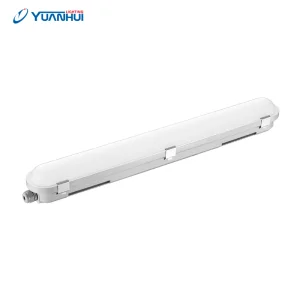
Marine-grade performance optimized for high humidity, solar-coupled power, and isolated grids.
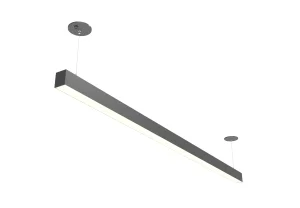
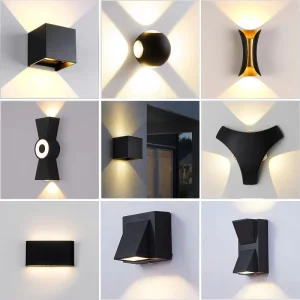
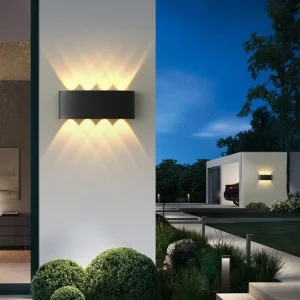
The Republic of Kiribati presents one of the most challenging operating environments in the world for optical electrical engineering. Comprising 32 atolls and one raised coral island, infrastructure systems here face continuous exposure to high atmospheric humidity, salt mist concentration, and elevated ambient UV levels.
Average relative humidity remains above 80% year-round. This accelerates galvanic corrosion on standard metals, requiring specialized anodized aluminum, polycarbonate enclosures, and 316-grade stainless steel hanging components.
Moreover, local grid stability in South Tarawa and Kiritimati remains heavily dependent on hybrid solar-diesel mini-grids. Transient voltage spikes and load-shedding demand driver modules featuring ultra-wide input voltage tolerances (AC180-265V) and active power factor correction (PFC >0.95) to prevent early system degradation.
Across the globe, the lighting industry is shifting from simple illumination toward intelligent lighting management systems (ILMS). The proliferation of high-efficacy LEDs (achieving up to 180 lm/W at chip level) has significantly reduced the energy footprint of institutional lighting. This transformation aligns directly with the UN Sustainable Development Goals (SDG 7 & SDG 13) which emphasize clean energy access and climate mitigation.
For remote coastal nations like Kiribati, importing energy carries massive economic overheads. Improving lumens per watt (lm/W) translates directly to reduced imports of expensive heavy fuel oil. Modern architectural systems are engineered to run cool, leveraging advanced thermal management to prevent junction temperature degradation, thereby guaranteeing over 50,000 hours of operations without maintenance intervention.
How we design fixtures to thrive in challenging environments.
Standard IP65 fixtures often fail due to thermal cycling. As the fixture heats and cools, pressure differentials draw in humid marine air. Our premium fixtures utilize breathing valves (Gore-Tex vents) to normalize interior humidity and pressure without compromising IP ratings, maintaining watertight configurations up to IP67.
As Kiribati targets 100% renewable energy penetration across outer islands, we are designing direct-DC LED systems. By bypassing standard AC-to-DC driver losses, direct-DC LED fixtures can interface natively with local solar charge controllers and batteries, improving system-wide efficiency by 15-22%.
High ambient equatorial temperatures require rapid thermal dissipation. Aluminum heat-sinking with vertical fin layouts prevents dust accumulation and guarantees maximum thermal convection, keeping LED junction temperatures below 85°C to avoid color shifts.
Combining industrial scale with global export reliability.
Chengdu TYE Home Furnishing Co., Ltd. is situated in Sichuan Province – is a leading housing supporting enterprise integrating R&D, production, sales, and export. Our core offerings include high-end doors/windows, all-aluminum home furnishings, insulated glass, steel doors, and PVC profiles.
Backed by a 110 million RMB investment, the 33,333㎡ (50 mu) facility features a 30,000+㎡ two-story steel structure workshop, equipped with fully imported German production lines. We adhere to international standards, delivering premium products, setting industry benchmarks, and pursuing specialization, scale, and globalization.
We strive to be your trusted partner – a respected Chinese brand that satisfies customers, empowers employees, and earns industry and social recognition.
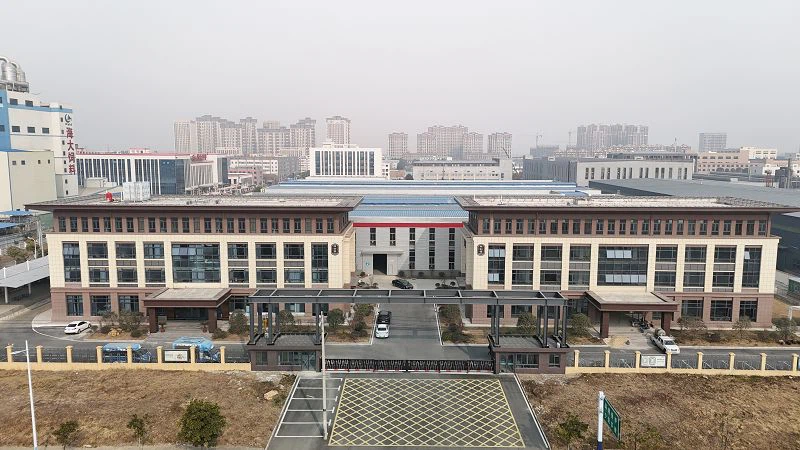
Chengdu TYE Home Furnishing Co., Ltd. is located in Sichuan Province. Leveraging the geographical advantages of the Yangtze River Delta Economic Circle and Anhui's comprehensive home furnishing industry supporting system, the company has focused on the R&D, production, and sales of home products since its establishment. It is committed to providing high-quality home solutions that integrate aesthetic design, practical functions, and environmental protection concepts for families and commercial spaces worldwide.
After years of dedication, the company has developed into a modern home furnishing manufacturer integrating the R&D and production of custom home furnishings, ready-made furniture, and smart home accessories. With stable quality and innovative designs, it has gained wide recognition from the market and customers.
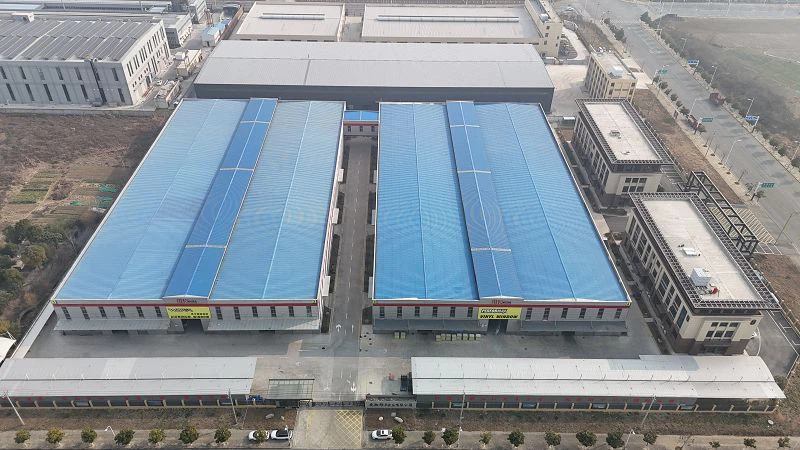
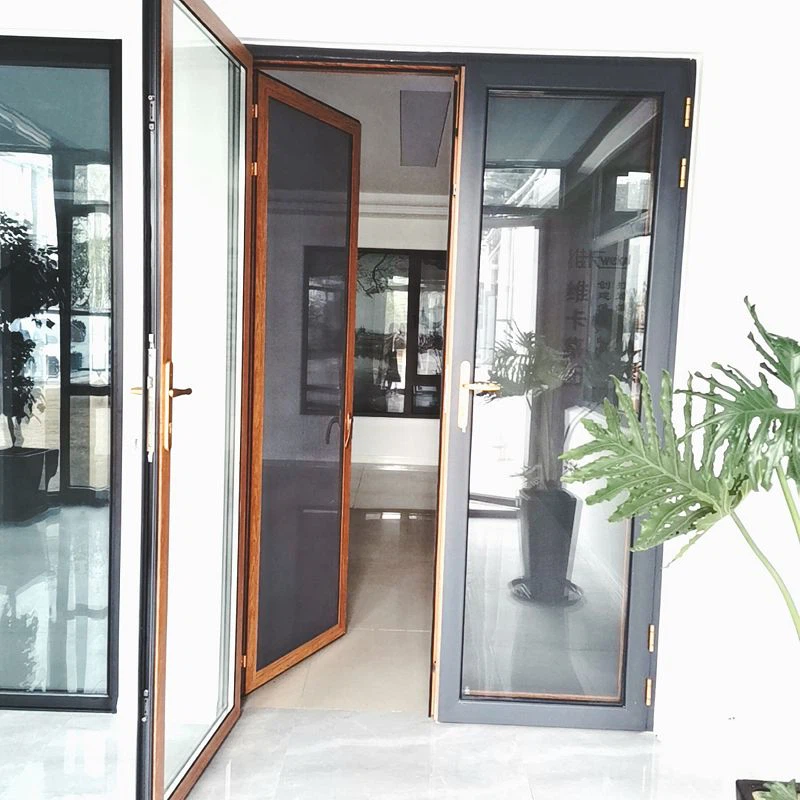
Chengdu TYE Home Furnishing Co., Ltd. specializes in the R&D and production of door and window series. Its core products cover PVC-based options such as PVC doors/windows and casement PVC windows, as well as aluminum alloy-based products including broken-bridge aluminum alloy doors/windows and aluminum alloy sliding doors.
The company also provides energy-efficient doors and windows with high energy-saving performance, along with custom door and window services tailored to different space requirements. All products balance practicality, aesthetics, and adaptability, meeting the diverse usage needs of residential homes, commercial spaces, and other scenarios.
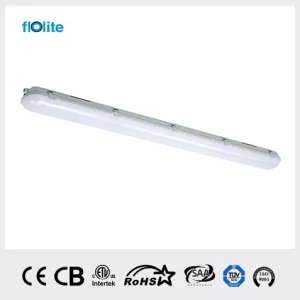
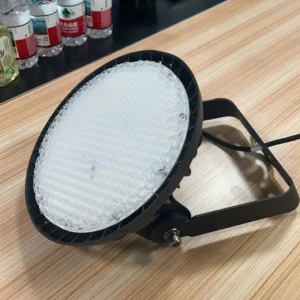
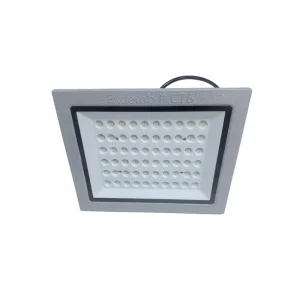
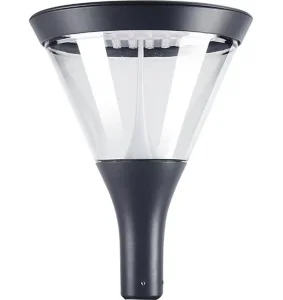
Complete product listings with international quality credentials including CE, RoHS, TUV, SAA, and ETL.
Overcoming regional transit complexities to deliver quality hardware on schedule.
Exporting heavy physical assets to the South Pacific demands rigorous planning. Logistics schedules to Tarawa and Kiritimati are subject to transshipment delays via major hubs like Fiji or Australia. To combat this, we implement standard heavy-duty sea transport packaging protocols:
Our electrical configurations undergo complete burn-in testing under controlled high humidity prior to batch crating. We simulate extreme voltage variations to verify driver response ranges. As a certified exporter, our compliance document packs (including test certificates and thermal reports) are provided transparently to local customs and engineering boards.
Technical guidance for consultants, contractors, and public works authorities.